


Hiring talented architects and interior designers is only the beginning. What happens during their first few days and weeks inside an architecture firm or interior design studio can have a lasting impact on how quickly they understand projects, collaborate with teams, communicate with clients and contribute creatively.
A well-planned onboarding checklist for new architects and interior designers helps transform a new employee from an unfamiliar team member into someone who understands the firm’s design philosophy, project workflow, technical standards and expectations.
In architecture and interior design, onboarding requires much more than introducing employees to colleagues and giving them access to a workstation. New team members need to understand drawing standards, design documentation, CAD and BIM systems, site protocols, material libraries, project management procedures, client communication and even the way design decisions are presented internally.
A strong architecture firm onboarding process creates clarity from the beginning while allowing new designers to become productive without feeling overwhelmed.
Why Architect and Interior Designer Onboarding Matters More Than You Think
Architecture and interior design firms operate differently from most workplaces. Every project involves multiple moving parts, from concept development and technical drawings to consultants, vendors, clients, contractors and site coordination.
Without proper onboarding, even highly skilled architects and interior designers may struggle to understand how a particular design studio functions.
One firm may rely heavily on Revit and BIM workflows, while another may use AutoCAD, SketchUp and manual presentation techniques. Some studios have structured design reviews every week, while others follow a more collaborative and informal approach.
The purpose of a good new architect onboarding process is therefore not to teach someone architecture again. It is to help them understand how architecture is practised within your organisation.
When onboarding is clear, employees spend less time figuring out processes and more time contributing ideas, solving design problems and moving projects forward.

Begin with the Design Studio’s Story, Culture and Philosophy
Before discussing software, drawings or deadlines, new architects and interior designers should understand the thinking behind the practice.
Every architecture firm and interior design studio has a distinct personality. Some focus on sustainable architecture, some specialise in luxury interiors, while others work extensively on residential architecture, hospitality design, commercial spaces, institutional projects or urban development.
Introduce new employees to important past projects and explain what made those projects significant. Discuss the firm’s approach towards materials, context, users, sustainability, detailing and spatial planning.
This helps new architects and designers understand that they are not simply joining an office. They are entering an established design culture and architectural practice with its own values, creative language and ways of working.
When people understand why a design studio works in a particular way, following its processes becomes much easier.
Also read – The Ultimate Guide to Design-Build Delivery: Faster, Smarter, and Better Construction Projects
Make Roles and Design Responsibilities Clear from the Beginning
One of the most important elements of an onboarding checklist for architects and interior designers is role clarity.
Design professionals often work across overlapping responsibilities. An architect may be involved in concept development, presentations, working drawings and site coordination, while an interior designer may work across layouts, furniture, materials, lighting, vendor coordination and detailing.
New employees should clearly understand what projects they will work on, who they will report to and what responsibilities they will initially handle.
They should also know who makes final design decisions, who communicates with consultants, who coordinates with vendors and who handles client communication.
Clear responsibilities prevent unnecessary confusion and make collaboration between architects, interior designers, project managers and consultants significantly smoother.
Introduce the Architecture and Interior Design Project Workflow
Every new team member should understand how a project moves through the organisation.
Explain how an initial enquiry becomes a design brief, how concepts are developed, how client approvals are recorded and how the project progresses into design development, construction documentation and execution.
For architecture projects, this may include concept design, schematic drawings, authority approvals, structural coordination, MEP coordination, working drawings, tender documentation and construction administration.
For interior design projects, the workflow may include space planning, mood boards, furniture layouts, material selections, lighting plans, detailed drawings, BOQs, vendor coordination and site execution.
Understanding the complete architecture project workflow and interior design process allows new employees to see where their individual tasks fit within the larger project.
They begin to understand not only what they are doing but why it matters.
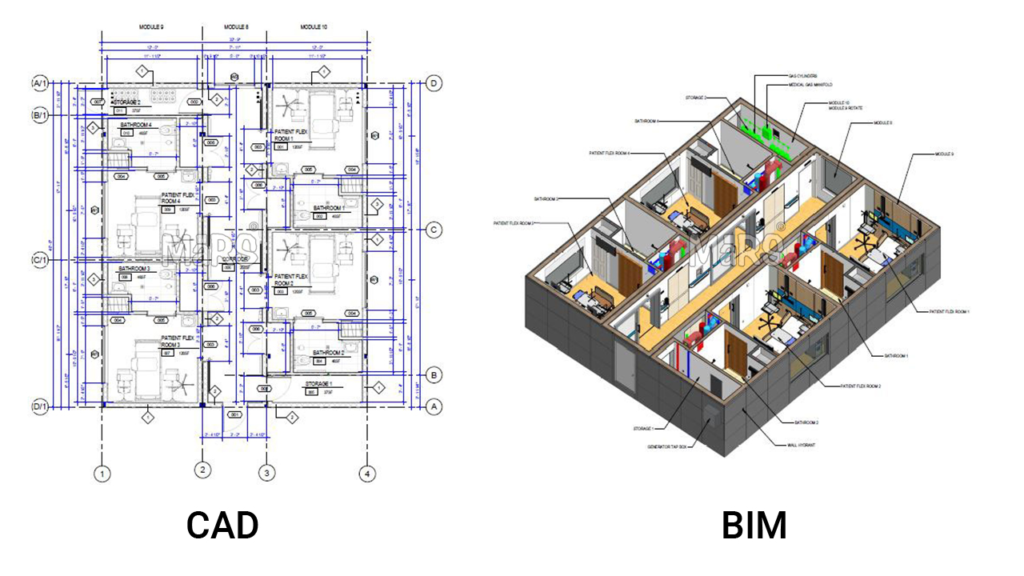
Set Up CAD, BIM and Design Software Standards Early
Software confusion can quickly slow down even experienced designers.
During architect and interior designer onboarding, clearly explain which software platforms are used for different stages of a project.
The studio may use AutoCAD for working drawings, Revit for BIM modelling, SketchUp or Rhino for design development, Lumion or Enscape for visualisation and Adobe Photoshop, Illustrator or InDesign for presentations.
The important part is not simply giving employees access to the software. New team members should understand CAD standards, BIM standards, file naming systems, drawing templates, layers, line weights, text styles and documentation formats used by the firm.
Standardisation becomes particularly important when several architects and interior designers are working on the same project.
One employee following a completely different drawing structure can create unnecessary rework for everyone involved.
Explain File Management Before the Folder Becomes a Maze
Architecture and interior design projects can generate hundreds or even thousands of files.
Drawings, renders, consultant documents, client presentations, photographs, BOQs, material specifications and revisions can quickly become difficult to manage without a standard system.
During the design studio onboarding process, explain where project files are stored and how folders are structured.
New team members should understand how projects are named, where current drawings are saved, how older versions are archived and how revisions are documented.
It is equally important to explain cloud storage platforms, servers and collaboration systems used by the design firm.
Good file management may sound like a minor administrative issue, but it can prevent one of the most frustrating situations in architecture: discovering that someone has spent hours working on an outdated drawing.
Introduce Drawing Standards and Documentation Quality
A beautiful concept means little if the construction team cannot understand the drawings.
New architects and interior designers should therefore be familiarised with the firm’s architectural drawing standards and interior design documentation standards.
Show them examples of completed drawing packages from successful projects. Explain how dimensions, annotations, schedules, legends, specifications and references are presented.
Interior designers should understand standards for furniture layouts, flooring plans, reflected ceiling plans, electrical drawings, joinery details and material schedules.
Architects should become familiar with plans, sections, elevations, details, door-window schedules and coordination drawings.
The objective is to establish a consistent level of documentation quality across every project produced by the practice.
Make Client Communication Part of the Onboarding Conversation
Design is collaborative, but communication is what keeps collaboration moving.
New architects and interior designers should understand how the firm communicates with clients and what level of communication they are authorised to handle independently.
Explain how meeting minutes are recorded, how design changes are confirmed and how presentations are structured.
A designer may casually agree to a change during a conversation without realising that it affects the project cost, structure or schedule.
Clear client communication guidelines for architects and interior designers can prevent these misunderstandings.
New team members should understand that professional communication requires clarity, documentation and careful follow-up, especially when decisions affect project scope, budgets or deadlines.
Prepare Designers Before Their First Site Visit
The office is where designs are developed, but the site is where those decisions become real.
A good architect and interior designer onboarding checklist should therefore include site protocols.
Before sending someone to a construction site, explain basic safety requirements, reporting procedures and expected behaviour.
New designers should know what drawings to carry, which details to verify and how to document site observations through photographs and notes.
They should also understand when they can provide instructions to contractors and when decisions need approval from a senior architect, project architect or client.
Site exposure is one of the fastest ways for young architects and interior designers to understand how drawings translate into actual construction.
It also helps them recognise why accurate dimensions, detailing and coordination are so important.
Introduce Building Codes, Approvals and Compliance Requirements
Creativity is central to architecture and interior design, but every project operates within regulatory boundaries.
During onboarding, architects should be introduced to the building codes, development regulations, accessibility standards, fire safety requirements and approval processes relevant to the firm’s projects.
Interior designers should also understand regulations related to fire safety, accessibility, electrical systems, materials and commercial interiors where applicable.
Employees do not need to memorise every regulation immediately. However, they should know where the organisation keeps important building codes, architectural standards and regulatory references.
This creates a habit of checking requirements before developing solutions rather than discovering compliance problems much later in the project.
Give New Designers Access to the Material and Product Library
For interior designers and architects, understanding materials is just as important as understanding drawings.
Introduce new employees to the firm’s material library, product catalogues, vendor database and supplier network.
Show them commonly used flooring, wall finishes, laminates, veneers, hardware, lighting systems, sanitaryware, facade materials and furniture products.
More importantly, encourage them to understand why specific materials are selected.
Design teams must consider cost, availability, maintenance, durability, sustainability, installation and performance alongside aesthetics.
A strong material orientation can significantly improve the quality of design decisions made by new architects and interior designers.
Establish Project Management and Time Management Expectations
Architecture projects often involve multiple deadlines happening simultaneously.
A designer may be developing a presentation for one project while preparing working drawings for another and coordinating site questions for a third.
New employees should therefore understand how the firm handles architecture project management, task allocation, deadlines and design review schedules.
Introduce them to project management software, timesheets, internal trackers or task management platforms used by the organisation.
Explain how priorities are decided and what employees should do when deadlines conflict.
A healthy design studio should encourage employees to communicate potential delays early rather than hiding problems until a deadline is missed.
Good project management creates space for creativity rather than restricting it.
Build Strong Coordination Habits with Consultants and Vendors
Architecture rarely happens in isolation.
Architects regularly coordinate with structural consultants, MEP consultants, landscape architects, facade specialists and sustainability experts.
Interior designers frequently interact with furniture vendors, lighting consultants, contractors, fabricators and product suppliers.
New employees should understand the firm’s consultant coordination and vendor management process.
They should know how revised drawings are shared, how technical queries are recorded and how consultant inputs are incorporated into architectural or interior design documentation.
Learning these coordination habits early prevents clashes between drawings and reduces costly changes during construction.

Create Space for Mentorship and Regular Design Feedback
New architects and interior designers learn quickly when feedback is frequent, specific and constructive.
Assigning an experienced architect, designer or project leader as an informal mentor can make the onboarding process significantly more effective.
Instead of waiting several months for a formal performance review, conduct regular conversations during the first few weeks.
Discuss drawing quality, design thinking, communication, software skills and project understanding.
A strong design mentorship programme allows new employees to ask questions without hesitation while helping senior team members identify areas where additional guidance may be required.
Architecture and interior design are professions where learning continues throughout a career. Creating this culture from the first day makes employees more comfortable seeking knowledge and sharing ideas.
Encourage Questions Instead of Expecting Instant Perfection
Every architecture firm has unwritten rules that experienced team members understand automatically.
A new employee does not.
The best onboarding environments make it clear that asking questions is encouraged.
New architects and interior designers should feel comfortable asking about drawing standards, materials, project history, consultant decisions or internal workflows.
If employees hesitate to ask questions because they fear appearing inexperienced, small misunderstandings can eventually become larger project mistakes.
A supportive architecture studio culture encourages curiosity while gradually building independence.
Review Progress After the Initial Onboarding Period
Onboarding should not end after a studio tour and software setup.
Schedule a conversation after the first few weeks to understand how the employee is settling into projects and the team.
Ask whether workflows are clear, whether additional training is required and whether they have access to the information needed to perform their role.
Managers should also provide feedback about strengths and areas that need improvement.
This conversation can identify problems before they affect employee confidence or project performance.
A successful architect and interior designer employee onboarding process should gradually move someone from orientation to participation and finally to independent contribution.
A Better Onboarding Process Creates Better Architecture
Architecture and interior design depend heavily on collaboration.
A talented individual cannot produce strong projects alone when communication, coordination and documentation around them are unclear.
That is why an effective onboarding checklist for new architects and interior designers should cover much more than HR paperwork.
It should introduce employees to design philosophy, architecture project workflows, interior design processes, CAD and BIM standards, drawing documentation, building codes, client communication, material libraries, consultants, site coordination and project management.
When these areas are explained clearly, new employees can spend less energy trying to understand how the organisation operates and more energy developing ideas and solving design challenges.
A thoughtful onboarding process also benefits architecture and interior design firms by improving productivity, reducing drawing errors, strengthening collaboration and creating greater consistency across projects.
Most importantly, good onboarding makes people feel like meaningful contributors to the studio rather than temporary additions to a project team.
In an industry where every detail matters, that clarity can make an enormous difference.
Because successful architecture does not begin only with a sketch, concept or drawing.
Sometimes, it begins with helping the people behind those ideas understand exactly how they can do their best work together.