


The first few years in architecture teach you far more than drawings, software and site visits. They show you how offices function, how design decisions are made, how deadlines affect creativity and what kind of architect you may actually want to become.
That is why changing architecture jobs after two to five years can feel exciting and uncomfortable at the same time. You are no longer a fresher, but you may not yet feel senior enough to make a bold move. You know the profession better, yet you are also beginning to notice what your current role is not giving you.
For many young architects, this is the stage when career direction starts becoming more important than simply having a job. Changing Architecture Jobs at the right time can bring better project exposure, stronger responsibilities, improved compensation and a clearer professional identity. But moving without understanding what you want can leave you repeating the same experience in a different office.
So how do you know when the move is worth making? More importantly, how do you make sure your next architecture job actually moves your career forward?
Why the 2–5 Year Stage Can Shape Your Architecture Career
The first one or two years in an architecture office are usually about learning how professional practice works. You begin understanding drawing standards, coordination, site communication, presentation systems, deadlines and the practical side of what design school introduced.
By the time you reach two to five years of experience, your expectations change. You start asking bigger questions. Are you getting enough design responsibility? Are you learning construction? Are you only producing drawings? Are you speaking to clients? Is your portfolio becoming stronger?
This is why Changing Architecture Jobs during this phase can have a much bigger impact than it first appears. The next office you choose could push you toward design, detailing, project management, BIM, interiors, visualisation, research or another specialised direction.
Changing Architecture Jobs should therefore be treated as a career decision, not just an exit decision.

Do Not Leave Only Because You Are Bored
Boredom is real, but it is not always a strong enough reason to resign. Architecture projects move through different phases. Some are exciting, while others involve revisions, coordination, documentation and repetitive work.
Before Changing Architecture Jobs, ask whether the problem is temporary or structural. A difficult project month is different from spending two years doing the same task with no increase in responsibility. One challenging manager is different from an office culture where nobody is mentored or trusted to grow.
If your role has stopped teaching you anything new, your responsibilities have remained unchanged for too long, or your work is moving away from the architect you want to become, then Changing Architecture Jobs may be worth serious consideration.
The key is to leave with clarity rather than frustration.
Also read – Architecture Thesis Topics 2026: Brilliant Ideas for Your Final-Year Project
Ask What You Want More Of Before You Start Applying
One of the most common mistakes people make while Changing Architecture Jobs is searching for vacancies before deciding what they actually want.
After two to five years, you already have useful evidence about yourself. You probably know whether you enjoy concept development, technical detailing, client communication, site work, competitions, BIM coordination, interiors, research or visualisation more than other parts of practice.
Your next move should ideally give you more of the work that is helping you grow. If you want stronger design exposure, look for studios where architects at your experience level contribute early in the design process. If you want execution experience, look for practices with active sites and strong construction documentation.
Changing Architecture Jobs becomes more meaningful when you are moving toward something specific rather than simply moving away from something you dislike.
Your Portfolio Should Show Progress, Not Just Pretty Projects
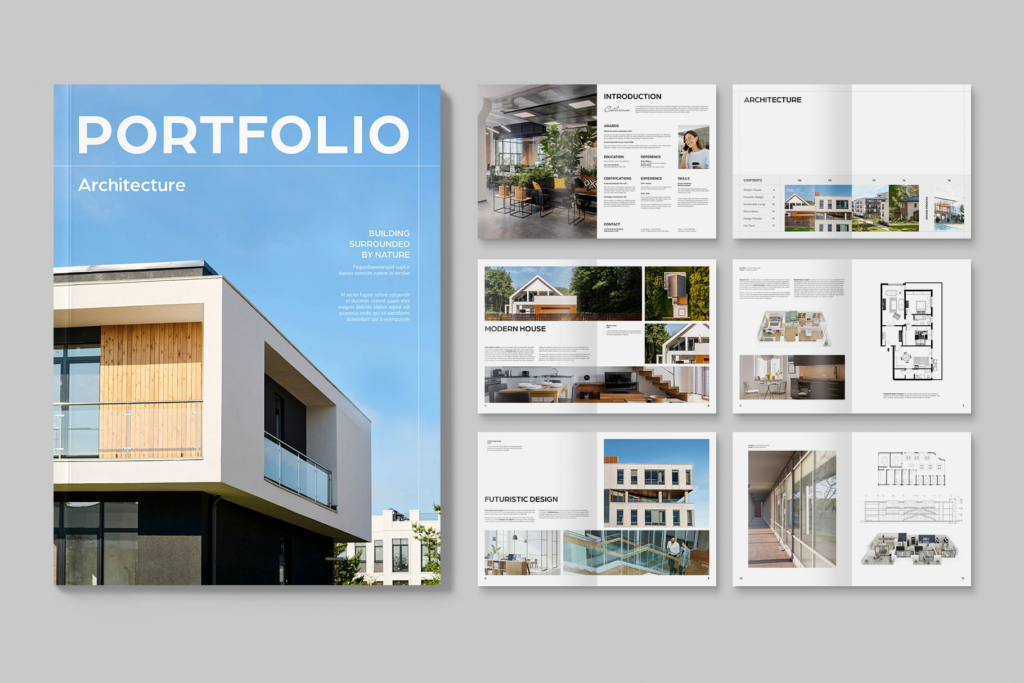
At this stage, your portfolio needs to do more than look attractive. It should show how your role has changed since graduation.
When Changing Architecture Jobs, employers are not only interested in finished renders or photographs. They want to understand what you actually did. Did you develop concepts, produce working drawings, coordinate consultants, attend client meetings, resolve site issues, manage a drawing package or build presentation decks?
A strong portfolio after two to five years should show responsibility as well as aesthetics. Even a modest project becomes valuable when your contribution is clearly explained.
Changing Architecture Jobs with a portfolio that still looks like a student portfolio can weaken your application. Your work should communicate professional growth, decision-making and practical involvement.
Select projects that reflect the role you want next and make your contribution easy to understand.
Make Your CV Show Growth, Not Just Duties
Many architecture CVs read like job descriptions. They mention drafting, modelling, coordination and presentations but do not show the level of responsibility behind the work.
When Changing Architecture Jobs, your CV should demonstrate progression. Instead of only writing that you worked on residential projects, show the scale, project stage or responsibilities you handled. Instead of simply listing software, let your experience reveal how those tools were used.
After two to five years, firms are looking for signs that you can take ownership, solve problems and work with less supervision.
Changing Architecture Jobs becomes easier when your CV shows that you are ready for the next level rather than simply asking for it.
Do Not Chase a Famous Firm Without Checking the Role
A well-known architecture practice can add credibility to your CV, but a famous name does not automatically guarantee a better learning experience.
While Changing Architecture Jobs, it is easy to focus on studio reputation, awards, social media visibility or high-profile projects. Your actual role inside that office, however, matters just as much.
A smaller studio may give you direct access to principals, clients and sites. A larger practice may offer structured systems, specialised teams and complex projects. Neither is automatically better. The right choice depends on what you need at this stage.
Before Changing Architecture Jobs, try to understand what architects with your level of experience actually do there. Ask about project stages, team size, reporting structure, site exposure and design responsibility.
The question is not only whether it is a good firm. The more useful question is whether it will be a good role for you.
Salary Matters, But Career Value Matters Too
Compensation is an important part of Changing Architecture Jobs. After your first few years in practice, you have more skills, more responsibility and more professional value than you had as a fresher.
But salary should not be viewed in isolation. A higher package can be attractive, yet it may not compensate for a role with weak learning, limited project exposure or little long-term growth.
At the same time, accepting poor compensation only because a studio is prestigious may not be the right strategy either. Research the market, understand your experience level and evaluate the complete opportunity.
When Changing Architecture Jobs, compare compensation together with responsibilities, project quality, mentorship, work culture, location, working hours and future progression.
A good move should strengthen both your professional capability and your overall career position.
Look Closely at the Work You Will Actually Be Doing
Job titles in architecture can be misleading. “Architect,” “Junior Architect” and “Project Architect” can mean very different things across different firms.
This is why Changing Architecture Jobs requires careful questions during interviews. Ask what projects you would join, what stage those projects are in, what your day-to-day responsibilities would include and who you would report to.
If the firm expects you to mainly handle production drawings but your goal is concept design, you should know that before joining. If the role offers serious site coordination and you want to become technically stronger, that may be exactly the opportunity you need.
Changing Architecture Jobs should improve the alignment between your daily work and your long-term direction.
Learn to Read Office Culture Before You Join
Architecture is collaborative, deadline-driven and often intense. The culture of the office can dramatically affect how much you learn and how sustainable the job feels.
When Changing Architecture Jobs, notice how people communicate during interviews. Are expectations clear? Do they explain how teams work? Do they seem respectful of the people already in the office? Is there any indication of how performance and growth are handled?
You may not understand everything before joining, but you can still look for patterns. Speaking to current or former employees can also help you understand whether the culture described in the interview matches the everyday reality.
Changing Architecture Jobs for a healthier and more supportive professional environment can be a perfectly valid career move.

When a Career Shift Is Better Than a Simple Job Switch
After a few years in practice, some architects realise that their interests sit slightly outside conventional studio roles.
Changing Architecture Jobs can sometimes mean moving into BIM management, architectural visualisation, computational design, design research, sustainability consulting, project management, workplace strategy, lighting or another architecture-related field.
That does not necessarily mean leaving architecture behind. It may simply mean using your architectural training in a direction that suits your strengths better.
If you are planning this type of move, understand what additional skills the new role requires. You may need stronger software knowledge, certifications, portfolio work or specialised project experience.
Changing Architecture Jobs becomes much more powerful when the move is based on a clear understanding of where your abilities fit best.
How Long Should You Stay in One Architecture Firm?
There is no universal number. Two years in one office can be highly valuable if you have worked across design, documentation and site execution. Four years can still feel limited if your responsibilities have barely changed.
Instead of focusing only on duration, focus on growth.
If you are learning, gaining responsibility, building meaningful project experience and moving closer to your career goals, staying may make sense. If your learning has plateaued and there is no realistic path to a stronger role, Changing Architecture Jobs may be the better option.
Frequent switching without enough time to understand projects can make your experience fragmented. Staying too long in a stagnant role can slow your development too.
The more useful question is not “How long have I stayed?” but “What have I gained while I was here?”
How to Explain Your Job Change in an Interview
Interviewers will often ask why you want to move. Your answer should sound forward-looking rather than negative.
When Changing Architecture Jobs, avoid turning the interview into a complaint about your current employer. Even if your experience has been difficult, focus on what you now want to learn, contribute or take responsibility for.
You can explain that you are looking for deeper execution exposure, stronger design involvement, larger-scale projects, better client interaction or a sector that matches your interests more closely.
Changing Architecture Jobs is easier to explain when the move clearly connects to professional growth.
Check the Offer Before You Resign
Receiving an offer can be exciting, but this is exactly when you need to slow down and read carefully.
Before Changing Architecture Jobs, review the role, compensation, probation terms, notice period, working days, leave structure and expected joining date. Clarify anything that seems vague before you resign from your current position.
It is also worth confirming who you will report to, what team you will join and whether the written role matches what was discussed during the interview.
Changing Architecture Jobs should create a clearer next step, not a new set of surprises.

Your Next Job Should Add a New Layer to Your Career
A strong career move should ideally give you something your current role cannot.
That could be a new project type, larger scale, deeper technical knowledge, more design responsibility, stronger client interaction, better mentorship or exposure to a different way of practising architecture.
When Changing Architecture Jobs, ask yourself one simple question: if you spend one year in this new role, what capability will you have that you do not have today?
If the answer is unclear, the move may not be as valuable as it first appears.
Do Not Confuse a New Job With Career Progress
A new offer can feel like progress simply because something is changing. But a different office does not automatically mean a better career.
Changing Architecture Jobs should ideally increase the quality of your experience, not just change the company name on your CV. Look at whether you will be trusted with more responsibility, exposed to better processes or given access to project stages that you have not experienced before.
For example, if you have spent three years primarily working on concept presentations, a role that introduces you to detailed design and construction could make you a much more rounded architect. If you already have technical experience but have rarely interacted with clients, a role that gives you that exposure could strengthen another important part of your career.
Thinking this way helps you measure your next job by what it adds rather than how impressive it sounds.
Your Career Does Not Need to Look Like Everyone Else’s
One of the biggest pressures during the early years of architecture comes from comparing your career with classmates and colleagues.
Someone you studied with may already be working at an international practice. Another person may have started a studio. Someone else may have moved abroad, joined real estate or specialised in computational design.
This can make Changing Architecture Jobs feel urgent even when your current role is still valuable.
Architecture careers rarely follow one standard timeline. Projects take years. Skills develop at different speeds. Opportunities depend on sectors, cities, studios and sometimes simple timing.
Your next move should make sense for the architect you are becoming, not the career someone else is posting online.
Changing Architecture Jobs Should Make Your Story Stronger
Think about how your CV might read three years from now.
Does the next role create a logical progression from what you have already learned? Does it add new project types, scales or responsibilities? Can you imagine explaining why the move made sense?
A strong career story does not require staying in one office forever. It requires showing that each major decision added something.
Changing Architecture Jobs becomes far more strategic when every move builds on the previous one.
Perhaps your first role taught you visualisation and concept design. Your second could develop detailing and site execution. The next could give you client responsibility or team management. Together, those experiences can create a much more complete professional profile.

Make the Move for Growth, Not Just Change
Changing Architecture Jobs after two to five years can become one of the most important decisions in your early career. At this stage, you understand enough about the profession to make a more informed choice, but you still have enough flexibility to experiment and redirect your path.
The goal is not to keep switching until you find a perfect office. No practice will offer ideal projects, perfect managers and exciting work every day. The goal is to recognise whether your current role is still helping you grow.
If it is, you may have more to learn before moving. If it is not, Changing Architecture Jobs can give your career a stronger direction.
Choose the next role for the skills it can build, the responsibility it can give you and the kind of architect it can help you become.
Because the smartest career move is not always the biggest one. It is the one that makes your next few years count.