


Hiring junior architects has become an increasingly important challenge for architecture firms, design studios, multidisciplinary consultancies, and growing practices. Firms need young architectural talent that can contribute to drawings, design development, presentations, visualisation, research, documentation, and project coordination, yet finding the right candidate often takes considerably longer than expected.
The difficulty is not simply finding architecture graduates looking for jobs. Employers must identify junior architects who possess the right combination of design thinking, software skills, technical understanding, communication ability, and willingness to learn. A rushed recruitment decision can create performance problems later, while an excessively complicated hiring process can cause promising candidates to accept offers elsewhere.
For architecture employers, the objective should therefore not be to recruit as quickly as possible at any cost. The better approach is to create a faster architecture recruitment process that improves decision-making while protecting the quality of every hire.
Why Hiring Junior Architects Often Takes Longer Than Expected
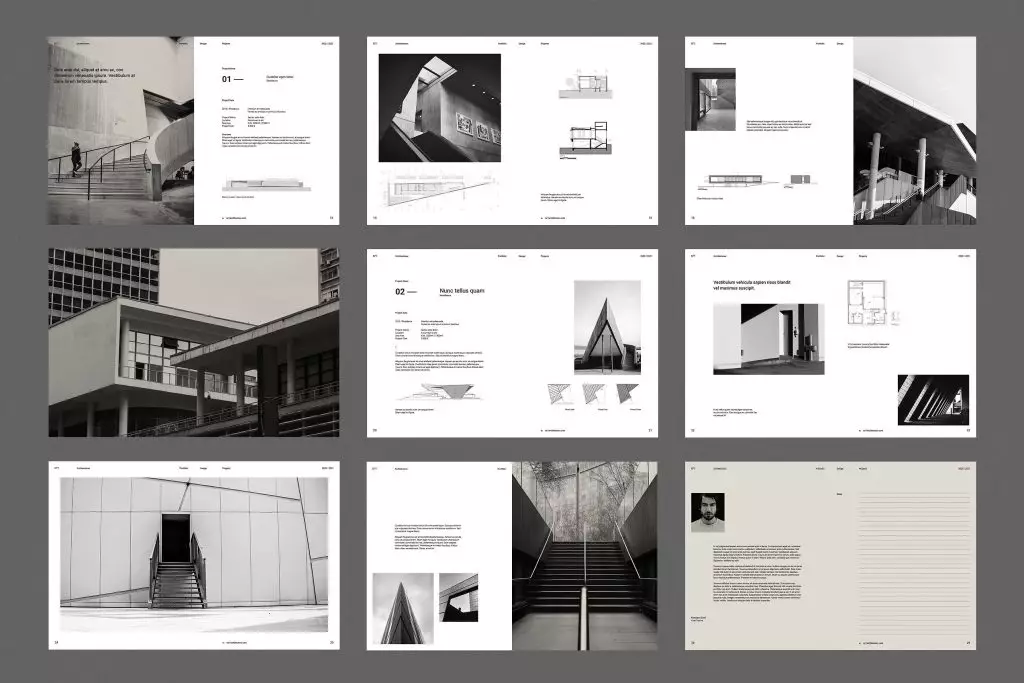
Architecture recruitment is different from hiring for many conventional entry-level positions because portfolios play such an important role in evaluating candidates. A resume might show where a candidate studied and what software they know, but it rarely reveals how they think about architecture, communicate design ideas, organise drawings, or respond to complex spatial problems.
Employers consequently spend substantial time reviewing architecture portfolios, resumes, academic projects, internships, software capabilities, and interview performance before reaching a decision. When every application is assessed without a clearly defined evaluation system, architecture hiring can quickly become inefficient.
Another challenge is that employers sometimes search for an unrealistic combination of skills in junior candidates. Job descriptions may ask for advanced proficiency in several software platforms, strong construction knowledge, excellent visualisation skills, documentation experience, and extensive professional exposure from someone who has only recently graduated.
Defining what genuinely matters for the position can immediately make junior architect recruitment faster and more accurate.

Write Architecture Job Descriptions That Attract the Right Candidates
A faster hiring process begins long before the first interview. It begins with the architecture job description.
Employers should clearly communicate the role, expected responsibilities, essential software skills, experience level, project exposure, workplace location, and qualities they value. A vague description such as “Junior Architect required for leading architecture firm” gives candidates very little information about whether the position is suitable for them.
A stronger junior architect job description explains whether the candidate will work primarily on design development, construction drawings, BIM coordination, presentations, competitions, interiors, master planning, or site documentation. Candidates can then evaluate their suitability before applying, naturally improving the relevance of the applicant pool.
Better applications at the beginning mean less time filtering unsuitable candidates later.
Do check out – Why Tjibaou Cultural Centre Is a Brilliant Example of Climate-Responsive Architecture
Separate Essential Skills From Skills That Can Be Learned
One of the most effective ways to improve architecture hiring is to distinguish between skills a junior architect must already possess and capabilities that can realistically be developed after joining.
For example, an architecture firm working extensively with Revit may reasonably prioritise candidates with BIM knowledge. Another studio focusing heavily on competitions and concept design may value Adobe Creative Suite, SketchUp, Rhino, visualisation, and presentation abilities more highly.
Employers should also recognise that junior architects are still developing professionally. Strong design judgement, curiosity, communication skills, attention to detail, adaptability, and learning ability can sometimes be more valuable than familiarity with every software program mentioned in a job advertisement.
Hiring for potential as well as current capability expands the talent pool without lowering recruitment standards.
Make Architecture Portfolio Screening More Focused
Portfolio review is often where architecture recruitment consumes the most time. Firms may receive dozens or even hundreds of architecture portfolios, with each candidate presenting projects in completely different formats.
Instead of examining every portfolio with equal depth during the first round, employers can identify a small number of evaluation criteria linked directly to the job. These might include clarity of design thinking, technical documentation, visual communication, project development, detailing, or relevant project typology.
The objective during initial architecture portfolio screening is not to determine whether someone is the perfect employee. It is simply to establish whether the candidate demonstrates enough potential and relevant capability to move forward.
A focused portfolio assessment enables firms to shortlist candidates faster while ensuring that creative and technically capable applicants are not overlooked.
Evaluate Thinking, Not Just Beautiful Architecture Portfolios
Highly polished portfolios can be impressive, but visual quality alone does not necessarily reveal how well a junior architect will perform within a professional studio.
Employers should examine what the portfolio says about the candidate’s design process. Does the applicant explain why decisions were made? Can they demonstrate development from initial concept to resolved proposal? Do drawings, diagrams, models, and visualisations communicate a coherent architectural idea?
During interviews, asking candidates to explain one or two projects from their architecture portfolio can be particularly revealing. How someone discusses constraints, criticism, design decisions, collaboration, or mistakes often provides more insight than simply examining the final images.
This approach helps architecture firms identify candidates who can think, communicate, and develop rather than those who are only skilled at producing attractive presentation sheets.
Keep the Junior Architect Interview Process Short and Purposeful
Lengthy recruitment processes do not necessarily result in better hires. Multiple rounds involving portfolio screening, HR interviews, design interviews, assignments, senior management discussions, and final negotiations can discourage strong candidates and slow down hiring considerably.
For most junior architect positions, a well-structured interview conducted by the right decision-makers can reveal a great deal.
The conversation should examine architecture portfolio knowledge, previous internship or work experience, software familiarity, project interests, communication ability, working approach, and career expectations. Technical questions can be added where the role requires specific documentation, BIM, detailing, or site knowledge.
When firms know exactly what they need to evaluate, interviews become shorter without becoming superficial.
Use Design Tests Carefully During Architecture Recruitment
Design tests can help employers evaluate junior architects, but they must be used thoughtfully.
An excessively complicated architecture assignment can create unnecessary delays while discouraging capable candidates who are already working, studying, or interviewing with other firms. Tests should therefore measure specific skills rather than becoming miniature unpaid architecture projects.
A short drafting exercise might be appropriate for a documentation-heavy role, while a concise design or representation task could help evaluate candidates for a concept-oriented studio. The test should answer an important hiring question that the portfolio and interview could not answer clearly.
When assignments have no defined purpose, they lengthen recruitment without significantly improving hiring quality.
Build a Continuous Pipeline of Emerging Architecture Talent
Architecture firms often begin recruitment only when a position becomes urgently vacant. This creates pressure to find someone immediately and can lead to either rushed decisions or long project staffing gaps.
A more effective approach is to maintain an ongoing junior architecture talent pipeline.
Connections with architecture colleges, student design competitions, internships, architecture events, workshops, portfolio platforms, professional networks, and previous applicants can help employers identify promising young architects before a vacancy appears.
Internship programmes are particularly valuable because they allow firms to evaluate potential employees through actual work. When a strong architecture intern already understands the studio’s processes, culture, software, and project approach, transitioning into a junior architect position can be significantly faster than recruiting someone completely new.
Treat Candidate Experience as Part of Architecture Recruitment
The hiring process also communicates what it may be like to work at an architecture firm.
Candidates notice how quickly employers respond, whether interview schedules are organised, whether expectations are clearly explained, and whether communication continues after interviews. Long periods of silence can cause talented junior architects to lose interest or accept another opportunity.
Architecture firms competing for strong emerging talent should therefore treat recruitment communication professionally. Clear timelines, prompt interview scheduling, straightforward feedback, and timely offers can dramatically improve hiring conversion.
Speed in communication does not mean making careless decisions. It means removing administrative delays that provide no additional information about candidate quality.

Use a Consistent Evaluation Framework for Every Candidate
One reason architecture hiring decisions become slow is that different interviewers may value completely different qualities. One senior architect may focus heavily on graphics, another on software, another on technical ability, and another on personality.
Before interviews begin, employers should agree on what success in the junior architect role actually looks like.
Design capability, technical fundamentals, portfolio communication, software proficiency, learning potential, collaboration, and professional attitude can all form part of the assessment. The weight given to each area should depend on the role.
A consistent architecture recruitment framework makes comparison easier, reduces subjective decision-making, and allows hiring teams to reach conclusions faster.
Look Beyond Famous Architecture Schools and Large Firms
Quality architectural talent does not come exclusively from a small number of prestigious institutions or well-known studios.
Junior architects may develop valuable skills through smaller practices, competitions, independent projects, internships, academic research, workshops, freelance work, or self-directed software learning. Employers who judge candidates primarily through college names or previous employers risk overlooking talented individuals whose portfolios and abilities may be highly relevant to the role.
Broader architecture talent searches can also help firms discover candidates with different perspectives, regional knowledge, design sensibilities, and technical strengths.
For employers trying to hire architects faster, expanding where they search can be just as important as improving how they evaluate.
Move Quickly Once the Right Junior Architect Is Found
A surprisingly common recruitment mistake occurs after employers have already identified a strong candidate.
Internal approvals, compensation discussions, additional interview rounds, and delayed offer letters can stretch the process unnecessarily. During that period, good candidates may receive opportunities from competing architecture firms.
Once the hiring team has sufficient evidence that a junior architect meets the role’s requirements, decision-making should move quickly. Salary range, reporting structure, joining expectations, and internal approval processes should ideally be clarified before recruitment reaches the final stage.
A faster offer process can significantly improve the chances of securing strong architecture talent.
Faster Architecture Hiring Depends on Better Decisions, Not Lower Standards
Hiring junior architects faster does not require architecture firms to compromise on talent, technical ability, or design quality. In many cases, recruitment becomes slow because employers are evaluating too many unnecessary criteria, conducting too many interview rounds, or beginning the search without clearly defining what the role requires.
A focused job description attracts more relevant candidates. Structured portfolio screening improves shortlisting. Purposeful interviews reveal design thinking and professional potential. Appropriate skill tests confirm genuine uncertainties, while faster internal communication prevents good candidates from disappearing during the hiring process.
The most successful architecture recruitment strategy is therefore not simply about speed. It is about reducing wasted time while spending more attention on the qualities that genuinely predict success.
As architecture practices compete for emerging talent, firms that create a clear, respectful, and efficient junior architect hiring process will have a considerable advantage. They will not only fill vacancies faster but also identify young professionals who can learn quickly, contribute meaningfully, and grow with the practice over time.
Ultimately, employers do not need to choose between hiring junior architects quickly and hiring them well. With stronger architecture recruitment systems, smarter portfolio evaluation, clearer job requirements, and decisive communication, they can achieve both.