


An interior design internship is often the first opportunity for a design student or recent graduate to understand how ideas move from sketches and mood boards to drawings, specifications and completed spaces. For employers, however, selecting an interior design intern involves more than checking software knowledge or academic qualifications.
Interior design intern interview questions are usually intended to reveal how a candidate thinks, observes, communicates and approaches design problems. Studios may want to understand a candidate’s knowledge of space planning, materials, furniture, lighting, technical drawings, design software and visual presentation. At the same time, they often assess curiosity, organisation, willingness to learn and the ability to work within a professional design team.
Preparing for an interior design internship interview therefore requires a combination of design knowledge, portfolio preparation and clear communication. The following guide explores some of the most common interview questions for interior design interns, what employers may be assessing through each question and how candidates can prepare stronger answers.
What Do Interior Design Firms Look for in an Intern?
Interior design firms rarely expect interns to have the same expertise as experienced interior designers. An internship is, by definition, a learning opportunity. What firms usually look for is a strong design foundation combined with curiosity, adaptability and the ability to convert feedback into better work.
Technical familiarity with AutoCAD, SketchUp, Adobe Photoshop, Illustrator, InDesign, Revit or rendering software can strengthen an application, depending on the studio’s workflow. However, an impressive interior design portfolio, understanding of materials, space planning skills and a clear design process can be equally important.
Employers may also pay close attention to communication. Interior design involves collaboration with architects, consultants, vendors, contractors, clients and other designers. An intern who can explain ideas clearly and respond professionally to criticism can become valuable to a design team even while developing technical skills.
Tell Us About Yourself
This is one of the most common interior design intern interview questions because it provides an immediate understanding of how a candidate presents their background.
A strong response should briefly cover education, areas of interest within interior design, relevant academic or freelance projects, software skills and the type of design work that interests the candidate. The response should remain focused on professional and design-related information rather than becoming a lengthy personal biography.
Why Did You Choose Interior Design?
Employers ask this question to understand what genuinely attracts a candidate to interior design as a profession. Generic responses about creativity may not communicate enough depth.
A stronger answer can discuss an interest in how people experience spaces, the relationship between function and aesthetics, material exploration, furniture, lighting, spatial planning or the psychological impact of interiors. Connecting personal design interests with the practical role of interior designers makes the response more convincing.
Also read – 3-5-7 Rule in Interior Design: The Simple Secret Behind Beautiful Spaces
Why Do You Want to Intern With Our Interior Design Firm?
This question tests whether the candidate has researched the studio before attending the interview. Interior design firms often have distinct approaches to residential interiors, hospitality design, commercial interiors, retail spaces or workplace design.
Candidates should study the company’s website, recent interior design projects, design philosophy and project portfolio. Referencing a specific project, material approach or design methodology demonstrates genuine interest and makes the answer considerably stronger.
How Would You Describe Your Interior Design Style?
Interior design interns are not expected to have a completely established personal style. In fact, being too rigid about one particular aesthetic can sometimes suggest limited adaptability.
Candidates can instead describe the qualities they are drawn towards, such as minimal interiors, contextual design, material-led spaces, contemporary interiors, biophilic design or adaptive reuse. The answer should also acknowledge that successful interior design responds to the client, site, budget and function rather than simply following a preferred visual style.
Can You Walk Us Through Your Interior Design Portfolio?
Portfolio discussion is often the most important part of an interior design internship interview. Employers want to understand not only the final visuals but also the thinking behind the work.
Candidates should explain the project brief, site conditions, design concept, planning decisions, material choices and major challenges. Showing sketches, plans, sections, material explorations and iterations can demonstrate that the project developed through a considered design process rather than being created solely for presentation.
Which Project in Your Portfolio Are You Most Proud Of?
This question gives candidates an opportunity to highlight the project that best represents their strengths as an aspiring interior designer.
Instead of focusing only on attractive renders, the answer should explain why the project was significant. It may have involved complex space planning, extensive material research, furniture detailing, sustainable strategies, user research or a difficult design problem that required multiple iterations.
Which Interior Design Software Are You Comfortable Using?
Software proficiency is among the most frequently discussed topics during interior design intern interviews. AutoCAD, SketchUp, Photoshop, InDesign, Illustrator, Revit and different rendering tools are commonly used across interior design practices.
Candidates should describe their actual proficiency accurately. Claiming advanced expertise and being unable to demonstrate basic commands can damage credibility. It is better to explain which software is used confidently, which is being learned and how each tool contributes to the candidate’s design workflow.
How Do You Begin an Interior Design Project?
This question helps an interviewer understand a candidate’s design process. There is no single correct method, but a structured approach usually indicates stronger design thinking.
The process may begin with understanding the brief, analysing users, studying the site, identifying constraints and developing a concept. Space planning, circulation, material research, lighting and furniture selection can then evolve through drawings, models and visualisations.

How Do You Approach Space Planning?
Space planning is fundamental to interior design because an attractive room cannot compensate for poor circulation or inadequate functionality.
A strong answer can discuss understanding user requirements, movement patterns, furniture dimensions, clearances, accessibility and relationships between different functions. Interior design interns should demonstrate awareness that planning decisions must support how a space will actually be used.
How Do You Select Materials for an Interior Project?
Material selection is another common area explored through interior design internship interview questions. Employers want to know whether a candidate evaluates materials beyond their appearance.
Material selection should consider function, durability, maintenance, cost, texture, availability, environmental performance and suitability for the space. For example, flooring used in a high-traffic commercial interior may require different characteristics from flooring selected for a private bedroom.
What Is the Difference Between a Mood Board and a Material Board?
A mood board communicates the overall visual direction, atmosphere, colours, references and design language of a proposed interior. It may contain photographs, textures, furniture references, artwork and conceptual imagery.
A material board is generally more focused on actual finishes and material combinations. Samples of stone, wood, fabrics, laminates, paint colours, metal finishes and flooring may be assembled to understand how the proposed materials work together.
How Important Is Lighting in Interior Design?
Lighting influences functionality, visual comfort, atmosphere, colour perception and the way materials appear within a space. It is therefore an essential element of interior design rather than an addition made at the end of a project.
Candidates can discuss the relationship between natural light, ambient lighting, task lighting and accent lighting. A thoughtful answer should recognise that lighting strategies vary significantly depending on whether the project is residential, retail, hospitality, workplace or another interior typology.
How Would You Work With a Difficult Client Brief?
Professional interior design frequently involves balancing the designer’s ideas with the client’s requirements, budget and expectations. Employers may use this question to assess maturity and communication.
The candidate can explain the importance of first understanding why the client prefers a particular solution. Instead of rejecting the request immediately, alternative design options can be presented with clear reasoning related to functionality, cost, materials or spatial quality.
How Do You Handle Design Criticism?
Design education and professional practice both involve regular critique. Interior design interns may receive comments from senior designers, architects, clients and project teams.
A strong response should demonstrate the ability to listen carefully, understand the intention behind the feedback and evaluate how it can improve the project. Defending every decision without considering criticism can suggest difficulty working collaboratively.
What Would You Do If a Senior Designer Asked You to Revise Your Design Completely?
Major revisions are common during the design process. A concept may change because of client feedback, site conditions, budgets, regulations or technical limitations.
Candidates should communicate flexibility and professionalism. Understanding the reasons behind the revision, identifying the aspects that need to change and systematically updating drawings and presentations demonstrates the adaptability expected from an interior design intern.
How Do You Balance Aesthetics and Functionality?
Interior design is not simply decoration. Successful interiors require aesthetic decisions to support practical use, comfort, circulation and performance.
A good answer may explain that functionality should inform the design from the beginning. Furniture placement, storage, lighting, ergonomics, materials and circulation can then be developed into a visually coherent interior without compromising everyday usability.
What Is Your Understanding of Ergonomics in Interior Design?
Ergonomics examines how environments, furniture and products can better support human use, comfort and efficiency. It plays an important role in residential, workplace, hospitality and commercial interior design.
Interior design interns should understand basic human dimensions, comfortable furniture heights, circulation requirements and practical clearances. Exact standards may vary by application and jurisdiction, making it important to refer to relevant project requirements where necessary.
How Do You Stay Updated With Interior Design Trends?
Interior design continues to evolve through new materials, technologies, cultural influences and changing patterns of living and working. Employers may therefore look for candidates who actively follow developments in the design industry.
Candidates can mention recognised architecture and interior design publications, exhibitions, lectures, design festivals, manufacturer catalogues and notable design practices. The strongest responses show that trends are studied critically rather than copied without considering context.
Which Interior Designers or Architects Influence Your Work?
This interior design internship interview question reveals what kinds of projects and design philosophies have shaped a candidate’s understanding of design.
The answer should ideally go beyond simply naming famous designers. Explaining what is admired about their planning, materiality, detailing, use of light or relationship with context demonstrates genuine engagement with their work.
What Do You Know About Technical Drawings?
Technical drawings are essential for communicating interior design intent to contractors, fabricators and consultants. Even interns working mainly on conceptual design should understand their importance.
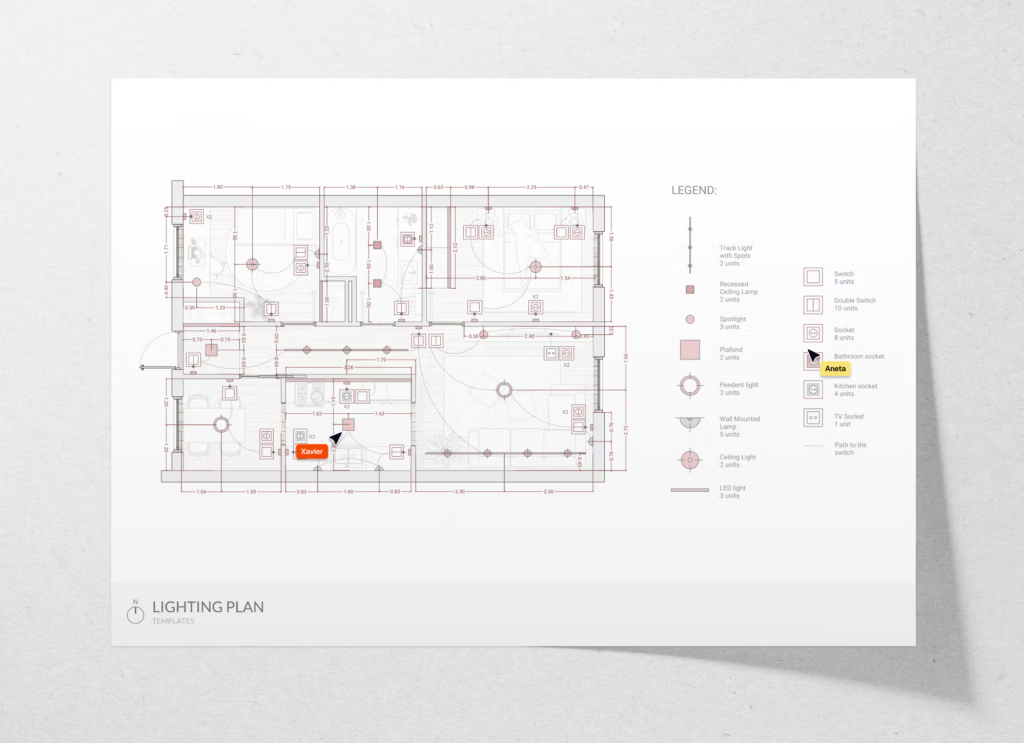
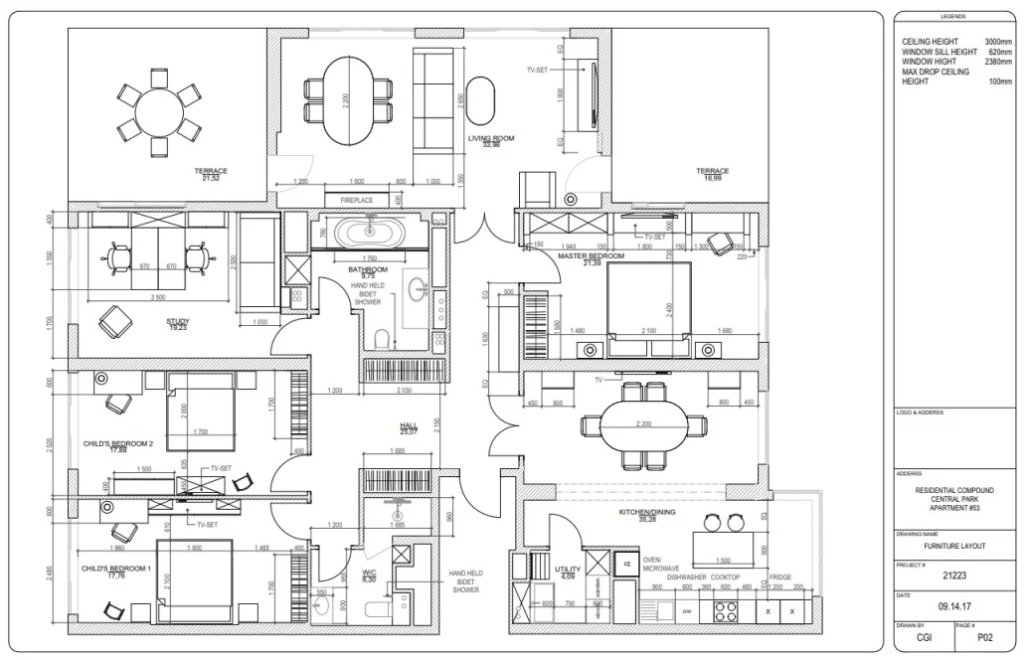
Candidates may discuss floor plans, reflected ceiling plans, electrical layouts, furniture layouts, sections, elevations and detail drawings. Understanding drawing scales, dimensions, annotations and coordination can make an interior design intern more useful in professional practice.
How Would You Research a New Material or Product?
Interior designers constantly encounter unfamiliar materials, furniture systems, lighting products and construction technologies. Knowing how to research them is therefore an important professional skill.
The process may involve studying technical data sheets, manufacturer specifications, dimensions, installation requirements, warranties, maintenance needs, certifications, samples and previous applications. Information from credible manufacturers and technical sources should be prioritised over visual references alone.
How Do You Manage Multiple Interior Design Tasks?
An internship may involve preparing drawings, sourcing materials, developing presentations, updating schedules and assisting with site-related tasks simultaneously.
Candidates should demonstrate an organised approach to deadlines and priorities. Maintaining task lists, clearly naming files, tracking revisions and communicating early when a deadline may be affected can help prevent small organisational issues from becoming larger project problems.
Have You Ever Worked as Part of a Design Team?
Interior design is highly collaborative, which makes teamwork an important quality for interns. Academic studio projects, competitions and collaborative assignments can all provide relevant examples.
A useful response should explain the candidate’s responsibility within the team, how work was divided and how disagreements were resolved. The focus should remain on collaboration rather than claiming sole credit for group work.
How Would You Respond to a Mistake in a Drawing?
Errors can occur even in experienced design teams. What matters is how quickly they are identified, communicated and corrected.
An interior design intern should avoid hiding mistakes. Informing the relevant team member, verifying the correct information and updating every affected drawing or document is generally a more professional response.
Are You Comfortable Visiting Construction Sites?
Site visits allow interior designers to understand how drawings, materials and details translate into built work. They can also expose coordination challenges that are difficult to understand only through computer drawings.
Candidates should recognise the value of site experience while also respecting safety protocols and instructions from the project team. Observing installation, dimensions, workmanship and construction sequencing can significantly improve design knowledge.
What Skills Do You Want to Develop During This Interior Design Internship?
Employers understand that interns are joining partly to learn. This question therefore provides an opportunity to communicate ambition without suggesting unrealistic expectations.
Candidates may express an interest in improving technical drawings, material knowledge, client presentations, construction understanding, furniture detailing or project coordination. Connecting these learning goals with the work of the particular studio makes the answer stronger.
Where Do You See Yourself Growing as an Interior Designer?
The purpose of this question is generally not to obtain a rigid long-term career plan. Instead, it helps the interviewer understand the direction in which the candidate hopes to develop.
A thoughtful response can mention gaining strong professional foundations, developing technical knowledge and gradually taking greater responsibility on interior design projects. Specific interests such as hospitality, residential design, workplace interiors or furniture design may also be mentioned when relevant.
Do You Have Any Questions for Us?
The final part of an interior design internship interview can be just as important as the opening. Asking relevant questions demonstrates interest in the role and the practice.
Candidates may ask about the types of projects interns usually contribute to, the design process within the studio, opportunities for site exposure or how interns collaborate with senior designers. Questions that can easily be answered by reading the firm’s website should generally be avoided.
How to Prepare an Interior Design Portfolio for an Internship Interview
A strong portfolio should communicate both creative ability and design thinking. Instead of filling every page with rendered images, candidates should show how projects developed from research and early sketches to planning, material decisions and final design proposals.
Clarity is particularly important. Plans, sections and elevations should remain readable, while project descriptions should explain the central idea without overwhelming the page with text. Consistent typography, spacing and graphic hierarchy can also strengthen the overall portfolio presentation.
The strongest interior design internship portfolios generally demonstrate variety without appearing disconnected. A combination of conceptual thinking, technical drawings, material understanding, furniture or detail development and visualisation can provide employers with a broader picture of the candidate’s abilities.
Technical Skills That Can Strengthen an Interior Design Internship Interview
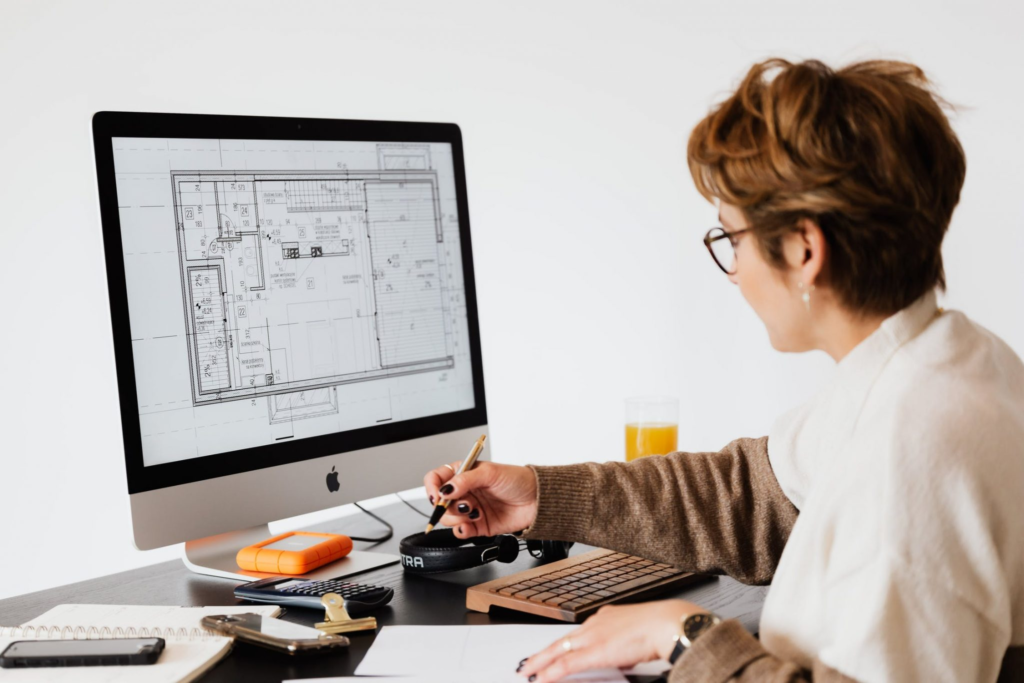
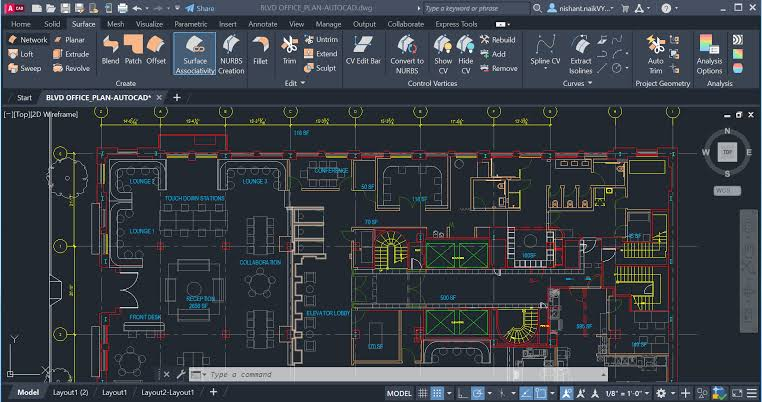
Knowledge of AutoCAD remains useful in many interior design practices because detailed drawings and documentation form a significant part of project development. SketchUp and other three-dimensional modelling tools can help communicate spatial ideas, while Adobe Photoshop and InDesign are widely useful for presentations and portfolios.
Some interior design offices also use Revit and BIM-based workflows for coordination and documentation. Rendering software varies significantly between practices, so candidates should focus on understanding visualisation principles rather than assuming that mastery of one particular program will guarantee an internship.
Material knowledge is equally valuable. Familiarity with wood products, laminates, veneers, stone, tiles, fabrics, glass, metal finishes, flooring systems and lighting can make design discussions more practical and informed.
Common Interior Design Internship Interview Mistakes to Avoid
Poor preparation can weaken an otherwise strong application. Arriving without researching the design studio can make answers appear generic, especially when asked why the candidate wants to work at that particular practice.
Another common mistake is exaggerating software expertise. Interior design firms can often assess software ability quickly through portfolio drawings or practical tests. Accurate descriptions of skill levels create greater credibility than claiming proficiency that cannot be demonstrated.
Candidates should also avoid presenting portfolio projects only as finished images. Employers frequently want to understand the reasoning behind a design decision. Being able to discuss unsuccessful ideas, revisions and lessons learned can sometimes communicate more design maturity than presenting a supposedly flawless process.
Why Interior Design Intern Interviews Focus on Thinking, Not Just Talent
A successful interior design career requires much more than visual creativity. Designers must analyse requirements, communicate ideas, solve technical problems, coordinate information and continuously adapt to changing project conditions.
For this reason, interview questions for interior design interns frequently explore process rather than simply asking whether a candidate can produce attractive drawings. Firms are often looking for evidence of curiosity, reliability, observation and the ability to learn from others.
Technical skills can improve with experience, and software can be learned. A strong design foundation combined with professional discipline and an openness to feedback can therefore make an interior design intern particularly promising.
Final Thoughts on Interior Design Intern Interview Questions
Interior design internship interviews provide firms with an opportunity to understand how emerging designers think, communicate and respond to real design challenges. Questions may range from portfolio discussions and space planning to materials, software, teamwork and technical drawings.
Candidates who prepare thoughtful answers, understand their portfolio thoroughly and research the design practice are generally better positioned to communicate their potential. The objective is not to memorise perfect responses to every interior design intern interview question, but to develop enough clarity about one’s own design process to answer confidently and accurately.
An interior design internship can become an important transition between design education and professional practice. Strong preparation for the interview allows candidates to demonstrate not only what they already know, but also how effectively they can learn, collaborate and grow within a professional interior design environment.