


Landing your first job as a Junior Architect in India is one of the biggest milestones in an architect’s career. After years of architectural education, studio projects, jury presentations, internships, and portfolio development, the interview becomes the final step toward starting a successful career. While many candidates spend weeks perfecting their portfolios, they often underestimate the importance of preparing for Junior Architect interview questions.
Today, architecture firms are not only looking for candidates who can create beautiful designs but also professionals who understand construction, building regulations, project coordination, sustainability, architectural software, and client communication. Recruiters want individuals who are eager to learn, adaptable, and capable of contributing to real-world projects from day one.
Whether you are applying to a boutique architecture studio, a large multidisciplinary consultancy, or a renowned architectural firm in India, preparing for the right architecture interview questions can give you a significant advantage. This comprehensive guide covers the most common Junior Architect interview questions in India, explains why interviewers ask them, and shares tips on answering confidently. If you’re preparing for your first architecture interview, this guide will help you leave a lasting impression.
Why Junior Architect Interviews Are More Competitive Than Ever
The architecture industry in India is growing rapidly, driven by urban development, smart cities, commercial projects, luxury housing, healthcare infrastructure, and sustainable design initiatives. As opportunities increase, so does the number of architecture graduates entering the job market every year.
Because firms receive hundreds of applications for every opening, simply having a degree is no longer enough. Employers are searching for candidates who possess strong technical knowledge, excellent communication skills, problem-solving abilities, and a genuine passion for architecture.
This is why preparing for Junior Architect interview questions, architecture interview tips, and architecture job interview questions has become essential for every fresher entering the profession.

“Tell Me About Yourself” – Your First Opportunity to Impress
Almost every architecture interview begins with this question, yet it remains one of the most challenging to answer effectively.
Instead of narrating your personal history, focus on your educational background, internship experience, software proficiency, architectural interests, and career aspirations. Mention your college, significant projects, internship exposure, and areas of interest such as residential architecture, sustainable design, interior architecture, or urban planning.
Recruiters ask this question to evaluate your confidence, communication skills, and whether your career goals align with their organization.
Why Did You Choose Architecture as a Career?
Interviewers want to understand what motivates you.
Avoid generic responses like “I love drawing.” Instead, explain how architecture allows you to solve real-world problems, create meaningful spaces, improve people’s lives, or combine creativity with engineering and technology.
A thoughtful answer demonstrates genuine passion, which is highly valued by architecture firms because passionate professionals tend to remain committed even during demanding projects.
Also read – Why Architects Still Admire Saynatsalo Town Hall: A Masterclass in Human-Centered Design
Explain Your Best Academic Project or Thesis
Your portfolio is often the centerpiece of your interview.
Recruiters may ask you to explain your favorite project, thesis, or design competition entry. Rather than describing only the final outcome, walk them through your complete design process.
Discuss site analysis, concept development, zoning, circulation planning, material selection, structural considerations, sustainability strategies, and the challenges you faced. Showing your ability to think critically and justify design decisions leaves a stronger impression than simply showcasing attractive presentation boards.
Which Architectural Software Do You Know?
One of the most common Junior Architect interview questions revolves around technical software.
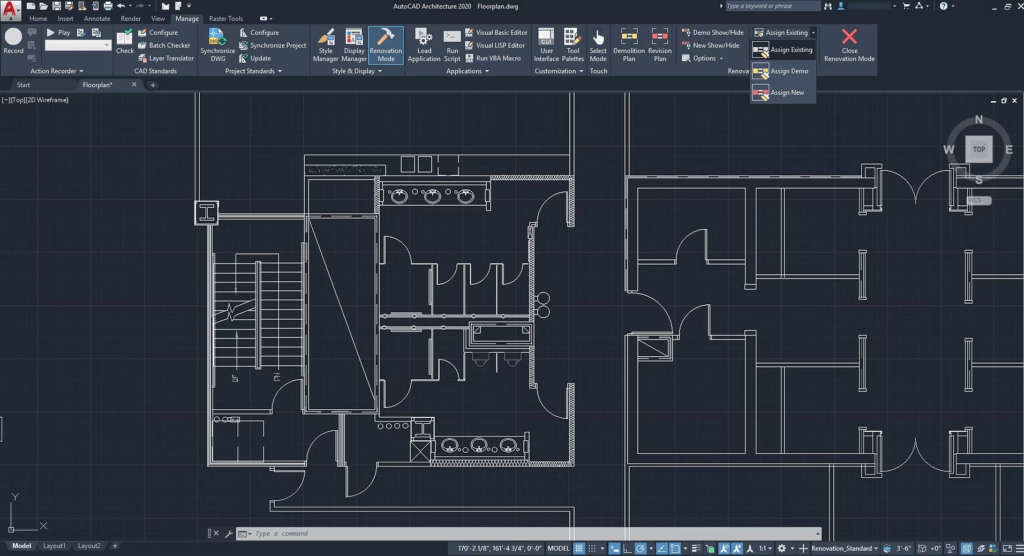
Most firms expect fresh graduates to have working knowledge of AutoCAD, SketchUp, Revit, Lumion, Rhino, Adobe Photoshop, Illustrator, InDesign, and Microsoft Office.
Be honest about your proficiency. If you’re still learning BIM or advanced rendering software, mention that you’re actively improving your skills. Recruiters appreciate honesty and a willingness to learn more than exaggerated claims.
How Do You Handle Tight Deadlines?
Architecture projects are often deadline-driven.
Interviewers ask this question to understand your ability to prioritize tasks and work efficiently under pressure.
Share examples from your college juries, internship assignments, design competitions, or thesis project where you successfully managed multiple responsibilities. Explain how planning your schedule, breaking work into manageable tasks, and communicating effectively helped you complete projects on time.
Demonstrating reliability is just as important as showcasing creativity.
What Did You Learn During Your Internship?
Internships provide practical exposure beyond classroom learning.
Recruiters want to know whether you worked on working drawings, site visits, client meetings, material selection, consultant coordination, documentation, or construction detailing.
Even if your internship responsibilities were limited, focus on the practical lessons you learned. Mention how observing real construction sites improved your understanding of architectural drawings, coordination, and project execution.
Real-world learning often distinguishes one candidate from another.
How Do You Solve Design Challenges?
Architecture is fundamentally about solving problems.
Interviewers often ask how you approach difficult design situations because they want to understand your thinking process rather than hearing one “correct” answer.
Describe how you begin with understanding client requirements, studying the site, analyzing climate, researching precedents, exploring multiple concepts, evaluating different options, and balancing functionality with aesthetics before finalizing a design solution.
Recruiters appreciate logical thinking and structured problem-solving abilities.
Are You Familiar with Building Bye-Laws and Regulations?
Many architecture firms ask questions related to practical architectural knowledge.
You may be asked about Floor Area Ratio (FAR), setbacks, fire safety regulations, accessibility standards, parking norms, building heights, or Development Control Regulations (DCR).
Fresh graduates are not expected to memorize every code, but having a basic understanding of building regulations demonstrates that you are prepared for professional practice.
Why Do You Want to Work with Our Firm?
This question evaluates whether you’ve researched the organization.
Before attending any interview, explore the firm’s completed projects, design philosophy, areas of specialization, awards, and notable achievements.
Mention specific projects that inspired you and explain how your interests align with the firm’s work. A personalized response shows genuine enthusiasm and professionalism.
Where Do You See Yourself Five Years From Now?
Employers look for candidates who have realistic long-term goals.
Explain that you hope to strengthen your technical expertise, gain experience across diverse project types, improve project management skills, collaborate with multidisciplinary teams, and eventually become capable of independently managing architectural projects.
Showing ambition combined with a willingness to learn reflects positively on your professional attitude.
Construction Knowledge Is Increasingly Important
Many fresh graduates focus heavily on design but overlook construction.
Interviewers may ask about foundations, RCC slabs, brick masonry, waterproofing systems, façade materials, structural systems, HVAC coordination, or building services.
You are not expected to be a structural engineer, but having conceptual clarity about construction techniques demonstrates readiness for professional responsibilities.
Strong practical knowledge often gives candidates an edge during interviews.
Sustainability Questions Are Becoming Standard
Sustainable architecture is no longer optional.
Many recruiters ask how you would design an environmentally responsible building or improve energy efficiency.
Discuss passive cooling strategies, daylight optimization, natural ventilation, rainwater harvesting, solar energy integration, locally sourced materials, thermal insulation, green roofs, and water conservation.
Demonstrating awareness of sustainable design trends reflects current industry expectations and strengthens your interview performance.
Communication Skills Matter as Much as Design Skills
Architects communicate with clients, consultants, contractors, engineers, government officials, and project teams every day.
Interviewers carefully observe how you explain ideas, answer questions, and present your portfolio.
Speaking clearly, listening attentively, maintaining eye contact, and answering confidently create a strong professional impression. Excellent communication often differentiates equally qualified candidates.
Questions You Should Ask the Interviewer
Most interviews conclude by asking if you have any questions.
Rather than saying “No,” ask thoughtful questions about project exposure, mentoring opportunities, software workflows, multidisciplinary collaboration, professional development, or learning opportunities within the organization.
Asking meaningful questions demonstrates curiosity and a genuine interest in growing with the company.

Common Mistakes Junior Architects Should Avoid During Interviews
Many candidates lose opportunities because of avoidable mistakes rather than a lack of technical knowledge.
Arriving late, bringing an outdated portfolio, failing to research the firm, exaggerating software expertise, speaking negatively about previous internships, providing memorized answers, or neglecting construction knowledge can leave a poor impression.
Interviewers value honesty, professionalism, enthusiasm, and a willingness to learn far more than overconfidence.
How to Prepare Before Your Architecture Interview
Preparation is the foundation of interview success.
Review every project in your portfolio because interviewers can ask questions about any drawing or design decision. Revise basic construction concepts, architectural terminology, software workflows, and building regulations. Stay updated on current architectural trends, landmark projects, and sustainable design practices in India.
Practice introducing yourself, answering common interview questions aloud, and explaining your portfolio confidently. Mock interviews with mentors, professors, or friends can help improve both confidence and communication skills.
When you know your work thoroughly, your confidence naturally increases.
The Growing Importance of Soft Skills in Architecture
Modern architecture firms expect much more than technical proficiency.
Teamwork, adaptability, time management, leadership, creativity, critical thinking, and emotional intelligence have become equally important. Junior Architects often coordinate with multiple stakeholders, making interpersonal skills essential for project success.
Candidates who demonstrate both technical competence and professional maturity are more likely to receive job offers and progress quickly within an organization.
Portfolio Presentation Can Make or Break Your Interview
Your portfolio represents your design journey and professional potential.
Ensure it is well-organized, visually clean, and easy to navigate. Include a balanced mix of academic projects, internship work (where permitted), conceptual studies, sketches, construction details, and visualization work.
Avoid overcrowding pages with excessive text or graphics. Instead, focus on clearly explaining your design process and the rationale behind your decisions. Recruiters appreciate clarity over complexity.
Preparation Is the Key to Landing Your First Architecture Job
Getting hired as a Junior Architect in India is about much more than earning an architecture degree. Firms want professionals who can think critically, communicate effectively, understand construction, collaborate with teams, and continuously improve their skills.
Preparing for common Junior Architect interview questions, revising your technical knowledge, strengthening your portfolio presentation, and practicing your communication skills will significantly improve your chances of success.
Remember that every interview is a learning experience. Even if one opportunity doesn’t work out, each interview helps you become more confident and better prepared for the next one. Stay curious, continue learning new software, build practical construction knowledge, and keep refining your portfolio.
India’s architecture industry continues to expand across residential developments, commercial buildings, hospitality, healthcare, infrastructure, and sustainable design. With the right preparation and a positive mindset, your first Junior Architect job could be just one successful interview away.