

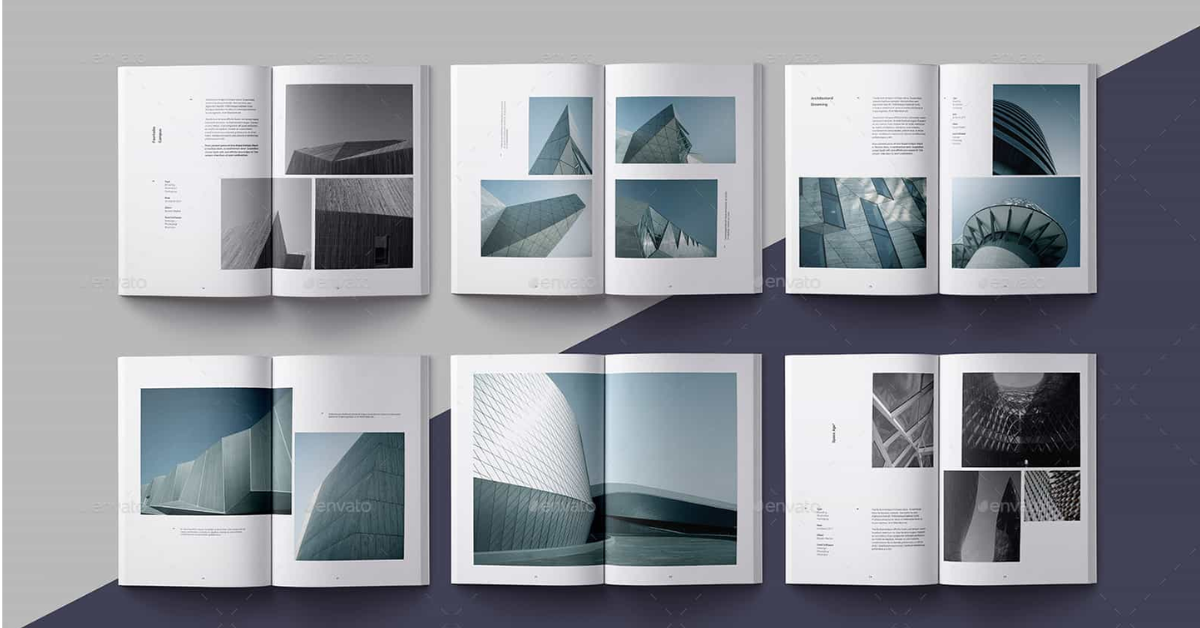
Your architecture portfolio is often the first introduction recruiters have to your work. Before an interview is scheduled or a conversation begins, your portfolio speaks on your behalf. It showcases your creativity, technical skills, design thinking, presentation ability, and understanding of architecture. A well-designed architecture portfolio can instantly grab attention, while a poorly organized one can result in immediate rejection – even if your projects are excellent.
Many aspiring architects spend months perfecting studio projects but overlook how they present them. Recruiters at architecture firms usually spend only a few minutes reviewing each portfolio. If your work fails to communicate your strengths quickly, it becomes difficult to secure interviews. This is why avoiding common architecture portfolio mistakes is just as important as creating impressive designs.
Whether you’re a final-year architecture student, a recent graduate, or a young architect applying for your next opportunity, understanding what recruiters expect can significantly improve your chances of getting shortlisted. Let’s explore the most common architecture portfolio mistakes that silently prevent talented candidates from landing interviews – and how you can fix them.
Your Portfolio Is More Than a Collection of Projects
Many candidates believe an architecture portfolio is simply a document containing drawings and renders. In reality, it is a carefully curated story of your design journey.
Recruiters want to understand how you think, solve problems, communicate ideas, and develop concepts. Every page should reveal your design process while highlighting your strongest skills. A portfolio should not overwhelm readers with information but instead guide them through your work with clarity and purpose.
A successful architecture portfolio demonstrates not only technical ability but also creativity, storytelling, graphic presentation, and professional communication.
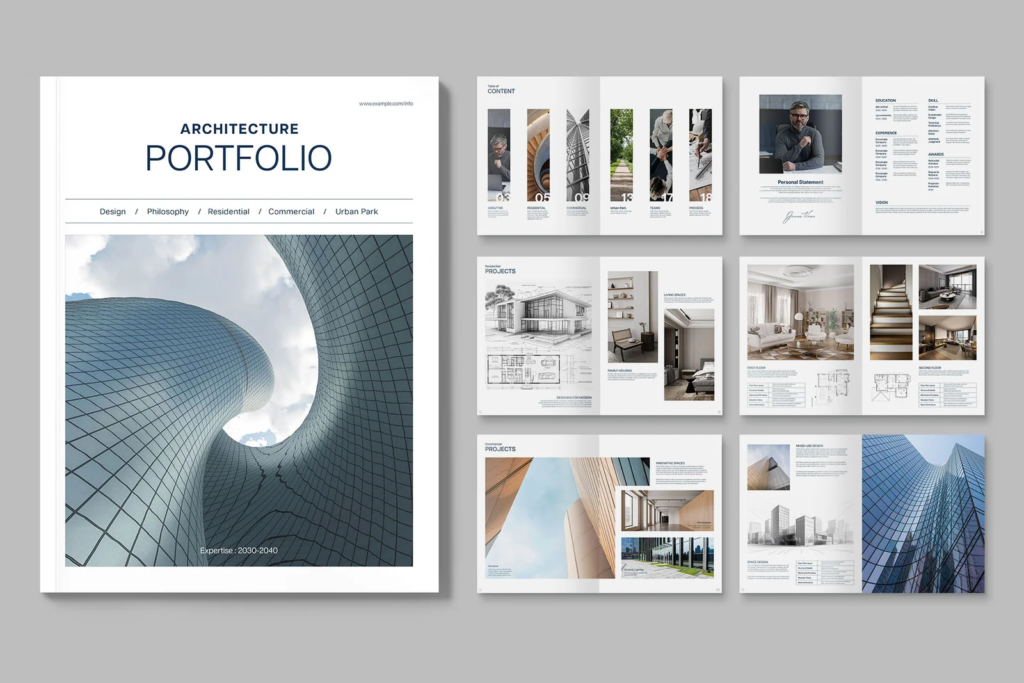
Too Many Projects Reduce the Overall Impact
One of the biggest architecture portfolio mistakes is trying to include every project completed during architecture school.
Students often believe that adding more projects makes their portfolio stronger. Unfortunately, the opposite is true. Recruiters prefer quality over quantity. Five outstanding projects presented beautifully will always leave a stronger impression than fifteen average ones.
Each selected project should highlight different strengths. One project may showcase urban planning, another sustainable architecture, another residential design, while another demonstrates technical detailing or parametric design.
Curating your best work creates a focused architecture portfolio that keeps readers engaged from beginning to end.
Also read – 7 Incredible Benefits of Bamboo Construction in Modern Architecture
Weak Portfolio Layout Creates Immediate Confusion
A beautiful architectural project can lose its value if presented with poor layout design.
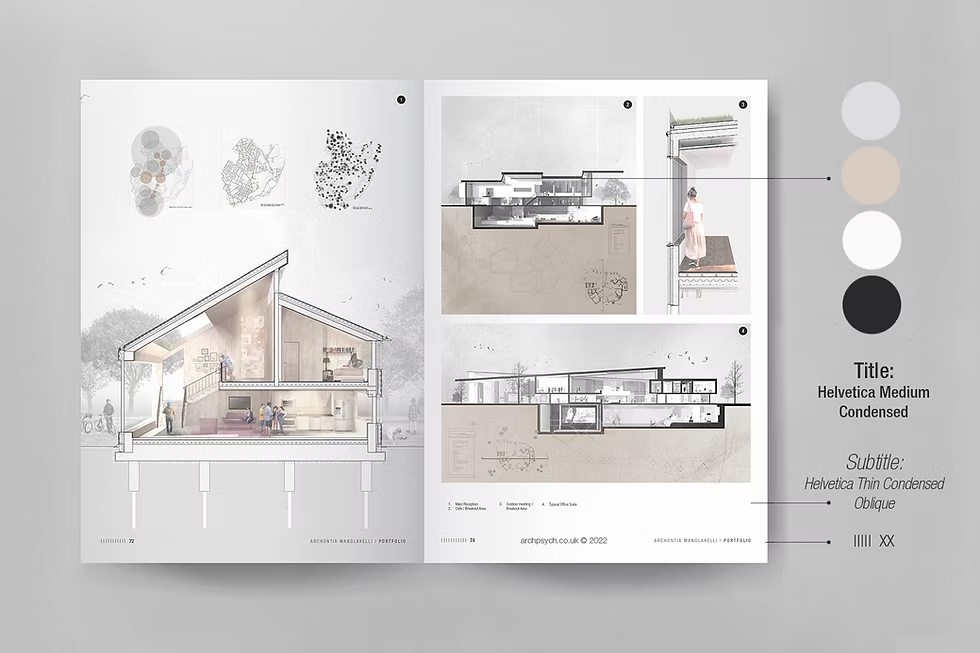
Many architecture portfolios suffer from inconsistent fonts, uneven spacing, crowded pages, random image sizes, and confusing page hierarchy. Recruiters should never struggle to understand what they are looking at.
Good portfolio design follows the same principles as architecture itself—balance, hierarchy, rhythm, proportion, and clarity. Every page should feel organized and intentional.
White space is equally important. Empty space allows drawings, renders, diagrams, and text to breathe, making your architecture portfolio more visually appealing and easier to navigate.
Beautiful Renders Cannot Replace Design Thinking
High-quality renders are attractive, but they cannot compensate for weak architectural concepts.
Many candidates fill entire pages with realistic renderings while providing little explanation of the design process. Recruiters want to understand why certain decisions were made, not just how realistic the final visualization appears.
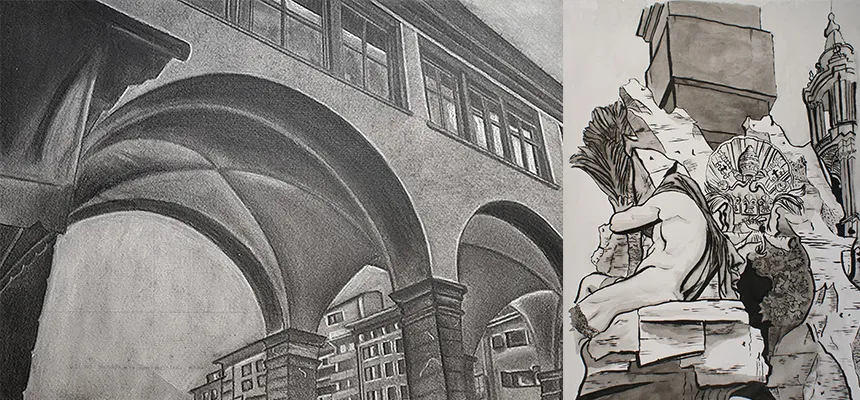
Include sketches, conceptual diagrams, zoning studies, circulation plans, site analysis, structural thinking, and design evolution. Showing your architectural process demonstrates problem-solving ability, which is often more valuable than polished visuals alone.
Architecture firms hire designers who think critically, not simply candidates who know rendering software.

Ignoring the Story Behind Every Project
Every architectural project begins with a problem and ends with a solution.
Unfortunately, many portfolios jump directly into floor plans and renders without introducing the project’s purpose. Readers are left guessing the design intent.
Instead, briefly explain the project context, site conditions, client requirements, design challenges, and the concept that guided your decisions. This creates a logical narrative that keeps recruiters engaged throughout the portfolio.
A storytelling approach makes projects memorable and helps your work stand apart from dozens of similar submissions.
Poor Graphic Consistency Makes the Portfolio Look Unprofessional
Consistency is one of the most overlooked aspects of architecture portfolio design.
Different font styles, changing color palettes, inconsistent iconography, random page layouts, and varying graphic treatments create visual chaos. Recruiters immediately notice when a portfolio lacks design discipline.
Maintain a consistent visual language throughout the document. Use the same typography, page grid, margins, heading styles, and color palette from start to finish.
This consistency reflects professionalism and attention to detail – qualities every architecture firm values.
Technical Drawings Should Be Easy to Read
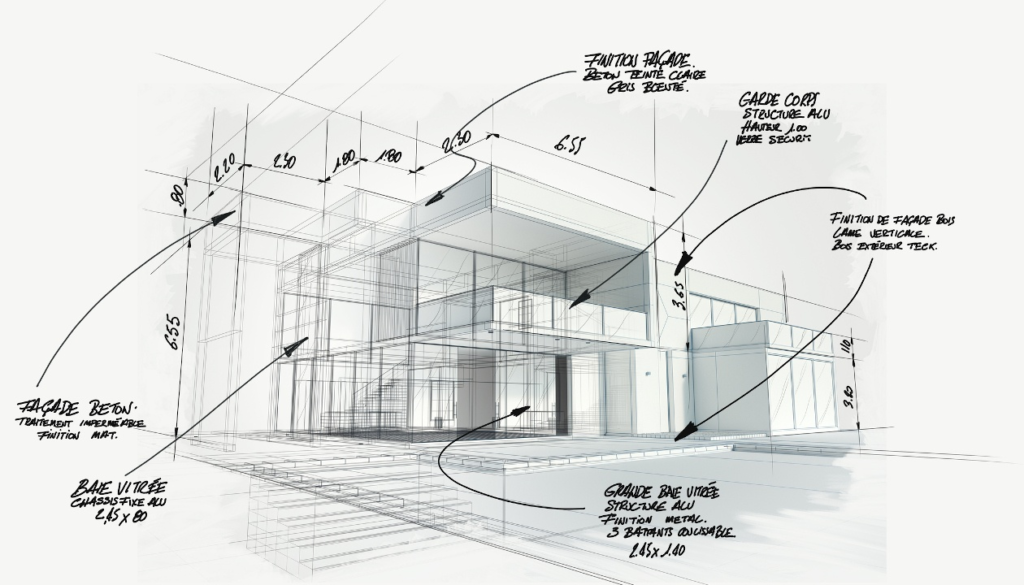
Floor plans, elevations, sections, construction details, and exploded diagrams form the backbone of architectural communication.
Many portfolios include technical drawings that are either too small, overloaded with annotations, or difficult to interpret. If readers need to zoom in repeatedly, important information gets lost.
Present only the most relevant drawings. Highlight important elements using hierarchy, colors, labels, or callouts while removing unnecessary clutter.
Clear technical documentation demonstrates that you understand professional architectural communication standards.
Too Much Text Reduces Visual Appeal
Architecture is primarily a visual discipline.
Some portfolios resemble academic reports with long paragraphs explaining every design decision. Others contain almost no text, making projects difficult to understand.
The best architecture portfolios achieve balance. Use concise descriptions that support your visuals rather than compete with them.
Simple project introductions, concept statements, design objectives, and key highlights are usually sufficient. Let your drawings, diagrams, and images tell most of the story.
Using Low-Resolution Images Damages Your Portfolio
Image quality directly influences the perceived quality of your work.
Pixelated renders, blurry photographs, compressed drawings, and screenshots create an unprofessional impression. Even exceptional architectural projects lose credibility when presented with poor image quality.
Always export drawings and renders at high resolution while keeping file size manageable. Review your PDF on different devices before submitting it to ensure every image appears sharp and readable.
Professional presentation reflects professional standards.
Forgetting to Highlight Your Individual Contribution
Many architecture students work on group projects during college.
A common portfolio mistake is presenting collaborative work without explaining your personal role. Recruiters cannot determine which parts you actually completed.
Clearly mention your responsibilities. Whether you handled concept development, BIM modeling, Rhino modeling, rendering, documentation, presentation graphics, site analysis, or construction detailing, specify your contribution.
Transparency builds trust and allows recruiters to accurately evaluate your skills.
Generic Portfolio Design Fails to Create a Lasting Impression
Your portfolio should represent your personality as a designer.
Many candidates download templates and make only minor edits, resulting in portfolios that look nearly identical. While templates can provide structure, relying on them entirely removes originality.
Your graphic identity should reflect your design philosophy. Whether your style is minimal, experimental, modern, or technical, let that personality appear consistently throughout the portfolio.
A distinctive architecture portfolio is far more memorable than one that follows generic layouts.
Not Customizing the Portfolio for Different Firms
Every architecture firm has different priorities.
A firm specializing in sustainable architecture may value environmental analysis and passive design strategies. A residential architecture practice may focus on planning efficiency and detailing, while a computational design studio may appreciate parametric experimentation.
Sending the same architecture portfolio everywhere is a missed opportunity.
Create slightly customized versions based on the firm’s specialization. Rearranging project order and emphasizing relevant work can significantly improve your chances of getting shortlisted.
Weak Portfolio Cover Leaves a Poor First Impression
First impressions matter more than many candidates realize.
A cluttered cover page filled with multiple images, decorative graphics, and excessive text immediately weakens your presentation.
Your cover should be simple, elegant, and professional. Include your name, designation, contact information, and a clean visual identity that sets the tone for the rest of the portfolio.
The opening pages should also include a concise profile introducing your interests, design philosophy, and software skills without overwhelming readers.
Overlooking the Importance of Software and Technical Skills
Recruiters want to know whether you can contribute immediately to their projects.
Instead of listing every software you’ve ever opened, mention only the tools you are genuinely comfortable using. Include software such as AutoCAD, Revit, SketchUp, Rhino, Grasshopper, Lumion, Enscape, V-Ray, Photoshop, Illustrator, InDesign, or BIM tools where relevant.
Supporting these skills with project examples is much more convincing than simply adding software logos.
Failing to Proofread Can Cost You Interviews
Grammar mistakes, spelling errors, incorrect project names, inconsistent formatting, and outdated contact details can negatively affect your application.
A portfolio filled with small errors suggests carelessness.
Review your portfolio multiple times before submission. Ask professors, mentors, senior architects, or peers to provide feedback. Fresh eyes often catch mistakes you may have overlooked.
Professional proofreading can significantly improve the overall quality of your architecture portfolio.
Make Your Portfolio Easy to Navigate
Recruiters review dozens, sometimes hundreds – of architecture portfolios every week.
An easy-to-navigate document allows them to quickly locate projects, understand your strengths, and remember your work.
Include a clean table of contents, logical page numbering, clear project divisions, and consistent section headings. Navigation may seem like a minor detail, but it greatly improves the reading experience.
When recruiters enjoy reviewing your portfolio, they are more likely to remember you during the shortlisting process.
Important Aspects to keep in Mind
A strong architecture portfolio is not about showcasing the highest number of projects or creating the most dramatic renders. It is about communicating your design thinking, technical knowledge, creativity, and professionalism in the clearest possible way. Every page should reinforce why you deserve an interview.
Avoiding common architecture portfolio mistakes can dramatically improve your chances of getting shortlisted. Focus on quality over quantity, maintain visual consistency, explain your design process, present technical drawings clearly, use high-resolution graphics, and tailor your portfolio to the firm you are applying to. These seemingly small improvements often make the difference between being overlooked and receiving an interview invitation.
Remember that your architecture portfolio is a living document. As your skills evolve and you complete stronger projects, continue refining it. Keep removing weaker work, improving presentation, and updating it to reflect your growth as an architect. A thoughtfully crafted architecture portfolio not only showcases your best work but also demonstrates the professionalism, attention to detail, and design mindset that every architecture firm is looking for.