


Your architecture portfolio is your visual resume. It shows what you can do. An excellent architecture portfolio tells a story of your design skills, thought process, and attention to detail.
Follow these guidelines to craft an architecture portfolio that impresses hiring managers:
Quality over Quantity
Architecture portfolio must Include only your best 3 to 5 projects. This might be a standout semester project, a competition entry, or an internship assignment. Each project should showcase a different skill (e.g. residential design, commercial layout, urban planning).
Tell a Story
Present each project starting with a concise narrative: “I designed a coastal-resort complex with passive cooling strategies.” Use captions to explain your concept, drawings, and materials. This shows your design thinking in your architecture portfolio.
Diverse Formats
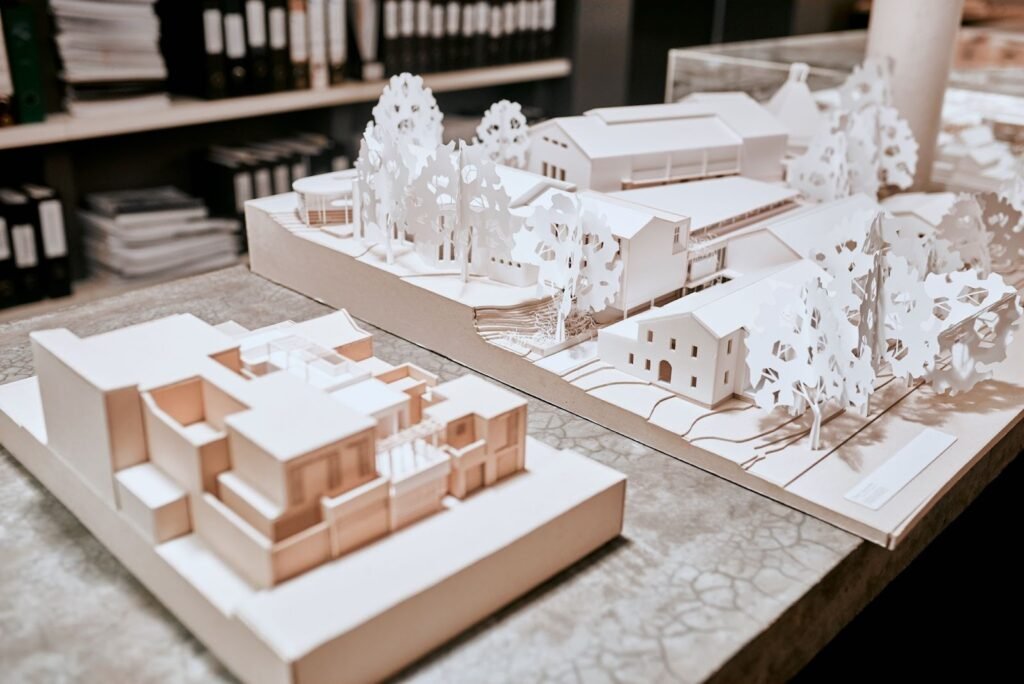
Combine hand sketches, CAD drawings, renderings, and photos. A mix of analog and digital work demonstrates versatility. For example, include a site analysis sketch, a CAD plan, and a 3D rendering for one project.
Process Work
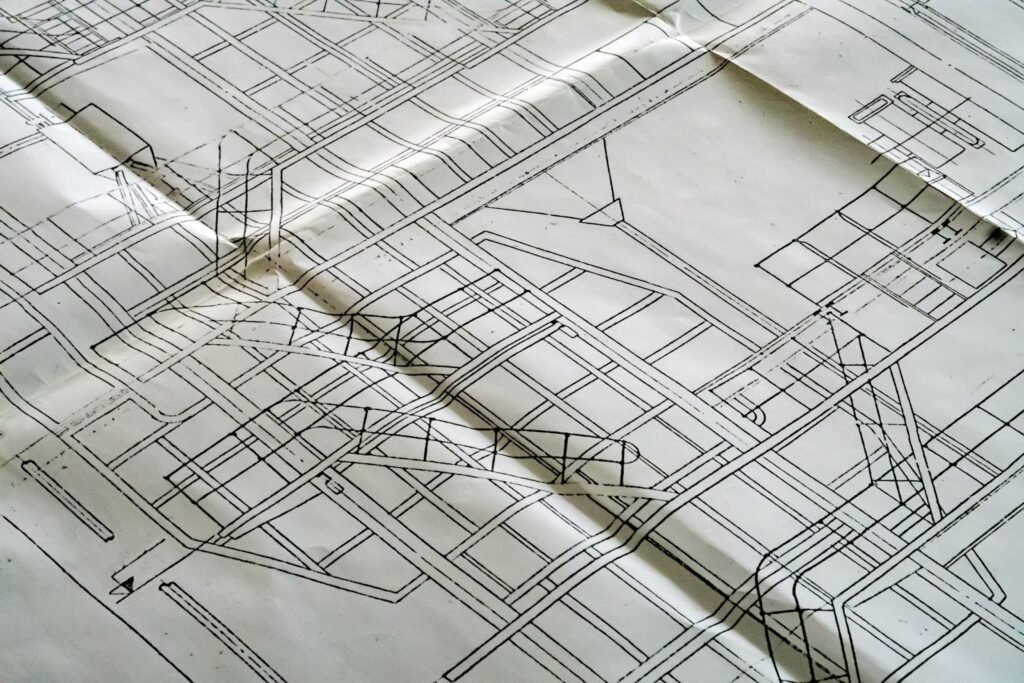
Include process diagrams or work-in-progress images. Your architecture portfolio must showcase how you develop ideas as employers want to see this. For instance, show initial sketches, intermediate floor plans, and the final output. Label important iterations.
Clean Layout
Your architecture portfolio design must use a consistent graphic design for all your portfolio pages. Clean typography and proper alignment make content easier to read. A portfolio for architects especially must avoid clutter.
One-page Project Summaries
On one page, highlight the project title, your role, tools used, and key results (like “3D model developed using Revit; presentation boards prepared”). This quick reference helps recruiters skim your strengths.
Essential Sections
1. Cover Page & Index: Start with your name, contact info, and a simple title (“Portfolio – [Your Name]”). Include a table of contents if your architecture portfolio is long.
2. Educational Projects: Highlight your strongest college projects. Emphasize final-year work or any thesis, as these show your capability after full training.
3. Professional/Extracurricular Work: If you interned or freelanced, include real-world projects (with client permission). Even small contributions (like drafting for a firm) add credibility.
4. Research/Competitions: If you’ve entered design competitions or done research (sustainable design, etc.), include a page on those experiences. Show your initiative and ability to tackle open-ended briefs.
Final Tips
- Get feedback from mentors.
- A fresh pair of eyes can spot typos or confusing layouts.
- Always update your portfolio for each application: if applying to an interior design firm, emphasize your related projects.
- Finally, practice presenting your portfolio: tell the story naturally when an interviewer flips through it.
FAQ – Architecture Portfolio
Format?
A digital PDF is common, but some firms still like a printed booklet. We recommend having both.
Length?
For a junior architect, a 10–15 page portfolio is ideal. More than that can be overwhelming. Keep text minimal – let images speak.
What to include first?
Lead with your strongest project – if that’s your final year thesis or a prize-winning entry, put it up front. First impressions matter.
By showcasing clear visuals and organized content, your architecture portfolio becomes a powerful marketing tool. In interviews, confidently walk through 1–2 key projects. Employers hire based on trust in your abilities; a winning portfolio builds that trust on the spot.