

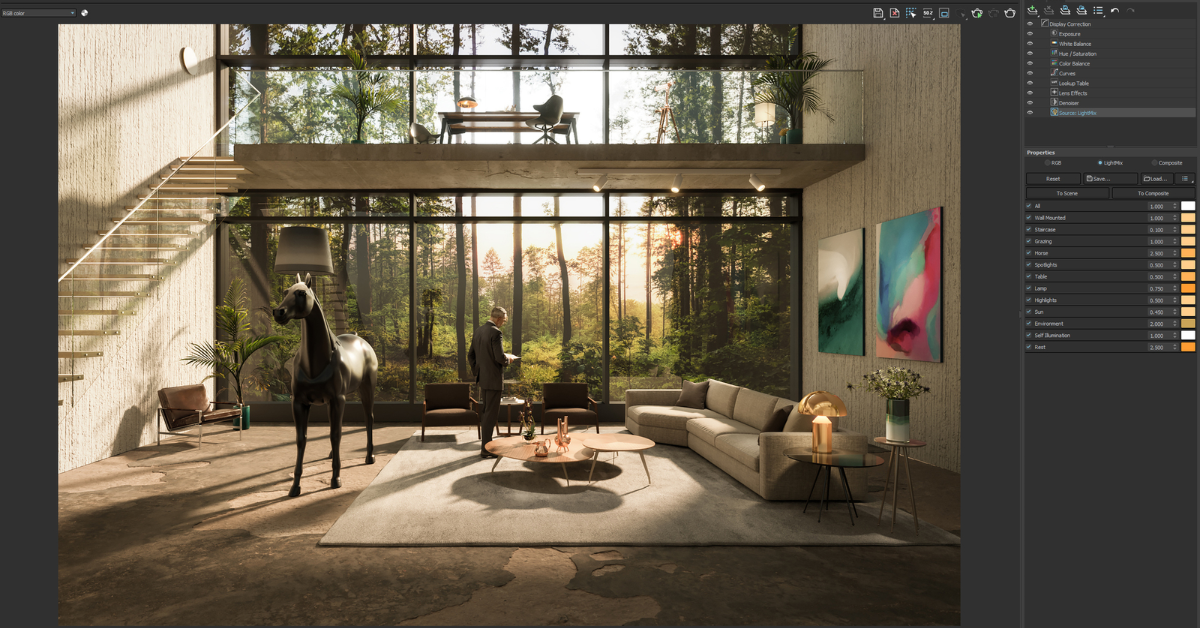
Architecture is no longer communicated only through plans, sections and physical models. Clients, developers, architects and interior designers increasingly use realistic images, animations and digital environments to understand a space before it is built. This has made an Architectural Visualizer Career a serious option for people who enjoy design, technology and image-making.
An Architectural Visualizer Career sits between architecture and visual storytelling. A visualizer takes drawings, 3D models, material references and design ideas and transforms them into images or animations that make an unbuilt project feel believable.
For architecture students, B.Arch graduates, interior designers and 3D artists, an Architectural Visualizer Career offers a specialised path outside conventional architectural practice. Technical ability matters, but visual judgment and an understanding of space matter just as much.
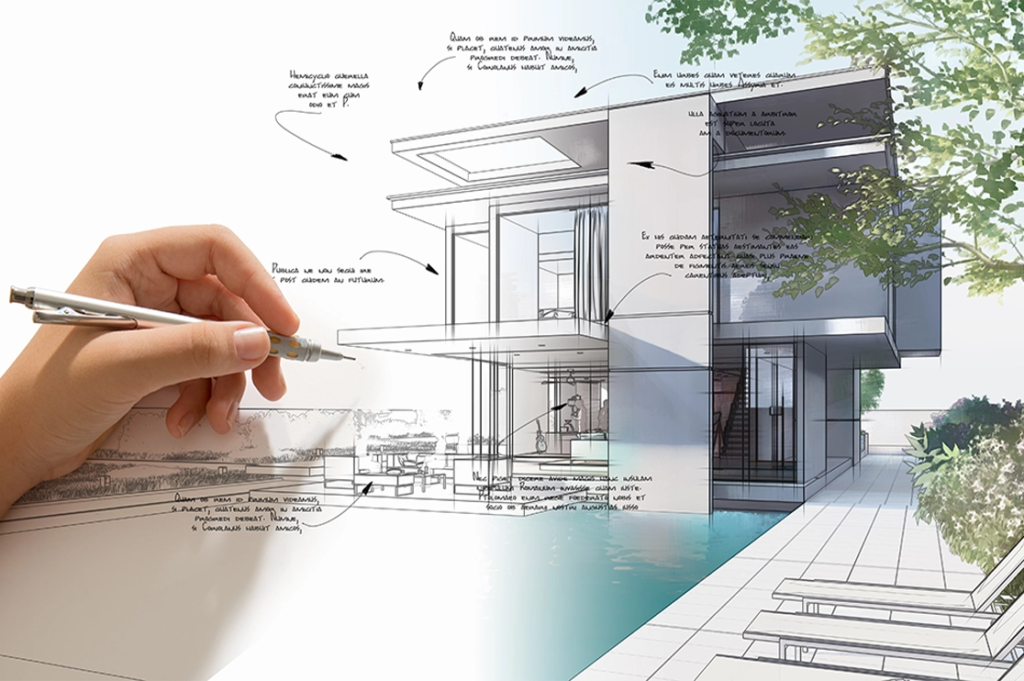
What Does an Architectural Visualizer Actually Do?
The easiest way to understand an Architectural Visualizer Career is to think of the visualizer as the person who gives an unbuilt design a visual life. Architects create the concept and drawings; the visualizer communicates how that design could look, feel and respond to light and material.
A project may begin with CAD drawings, BIM models, sketches or mood boards. The visualizer builds or cleans the model, applies materials, places lights, selects camera angles, creates context and produces the final image or animation.
An Architectural Visualizer Career is therefore not only about software. A strong visualizer must understand scale, proportion, furniture, landscaping, materiality, lighting and composition.
Also read – Will Architects Be in Demand in 10 Years? The Powerful Truth About Architecture Careers
Why an Architectural Visualizer Career Is Growing in India
India’s architecture, interior design and real estate sectors depend heavily on visual communication. Developers need marketing renders, architects need competition images, interior designers need client presentations, and studios need strong visuals for approvals and digital campaigns.
That is why an Architectural Visualizer Career can lead to work with architecture firms, visualization studios, interior practices, real estate developers, marketing agencies and international clients.
A September 2026 Glassdoor snapshot showed 159 architectural visualizer openings in India, while current Indeed and LinkedIn listings show roles across Mumbai, Pune, Ahmedabad and other markets. Job-board numbers change constantly, but they indicate active demand across different parts of the design and real estate industry.
Architectural Visualizer Career Skills: Software Is Only the Beginning
The best professionals in an Architectural Visualizer Career combine technical speed with a strong visual eye. Someone may know 3ds Max well and still create a weak render if the lighting, framing, materials or proportions do not feel convincing.
Architectural understanding is a major advantage. Reading plans, sections and elevations correctly helps prevent errors, while knowledge of construction, furniture scale and material behaviour makes a scene more believable.
An Architectural Visualizer Career also benefits from photography. Camera height, focal length, depth, contrast and composition determine how viewers experience an image.
Lighting Can Make or Break a Render
Lighting is one of the most important abilities in an Architectural Visualizer Career because it creates mood, depth and realism. A beautifully modelled space can still look flat when the light feels artificial or directionless.
Visualizers need to understand daylight, artificial light, colour temperature, shadow softness, reflections and exposure. Interiors and exteriors also need different lighting strategies depending on the time of day and the mood the project needs to communicate.
In an Architectural Visualizer Career, lighting is a storytelling tool. The aim is not simply to brighten a scene but to guide attention towards the architecture.
Materials and Textures Separate Average Renders From Convincing Ones
A successful Architectural Visualizer Career depends on understanding how real materials behave. Concrete should not look like plastic, fabric should not reflect like polished stone, and timber grain should appear at a believable scale.
Modern workflows use texture, roughness, bump, displacement and reflection controls to create realistic surfaces. Yet realism is not about adding endless detail; it comes from selecting believable imperfections and material responses.
This is why an Architectural Visualizer Career improves when you observe real buildings. Studying glass, stone, timber, fabric, landscaping and changing light builds a visual library that tutorials cannot replace.
Best Software for an Architectural Visualizer Career
There is no single software combination that defines an Architectural Visualizer Career. Current Indian job listings commonly mention 3ds Max, SketchUp or Blender for modelling; V-Ray, Corona, Lumion, D5 Render or Unreal Engine for rendering; and Photoshop for post-production. Some roles also mention AutoCAD, Maya, Premiere Pro and real-time workflows.
3ds Max remains widely used in professional visualization and works closely with render engines such as V-Ray and Corona. For someone targeting a studio-based Architectural Visualizer Career, learning 3ds Max with V-Ray or Corona can be a practical combination.
SketchUp is useful for quick modelling, while Blender has become a serious option for modelling, rendering and animation. Lumion, D5 Render and Twinmotion support fast real-time presentations, while Unreal Engine opens possibilities for interactive environments and cinematic walkthroughs.
Photoshop also remains valuable in an Architectural Visualizer Career because final images often need colour correction, atmosphere, people, skies and compositing. Mastering a focused software stack is usually more useful than knowing many programs only at a basic level.
Do You Need a B.Arch Degree?
A B.Arch degree can help, but it is not the only route into an Architectural Visualizer Career. Architecture graduates already understand drawings, spatial planning, materials and design language, which can make technical training easier.
Interior designers, animation students, graphic artists and self-taught 3D creators can also enter the field if their portfolio shows strong architectural understanding. Employers often care about the quality of work, software proficiency and the ability to interpret design information accurately.
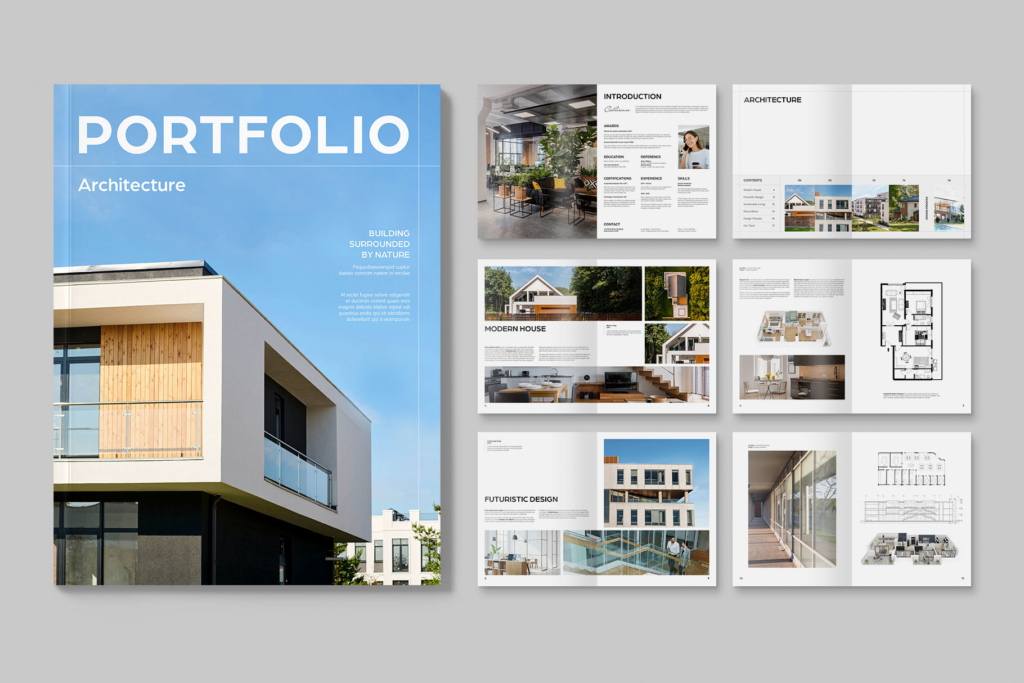
For an Architectural Visualizer Career, the portfolio can become more important than a long list of qualifications. Recruiters want proof that you can create convincing interiors, exteriors, materials, lighting conditions and compositions.
Your Portfolio Is the Real Entry Ticket
A strong portfolio can change the direction of an Architectural Visualizer Career. Instead of showing every render you have created, show a smaller selection that demonstrates consistency, visual taste and technical control.
One excellent interior, one convincing exterior, one strong daylight image and one atmospheric evening render can say more than twenty average images. The goal is to prove that you can create professional visual communication, not simply use software.
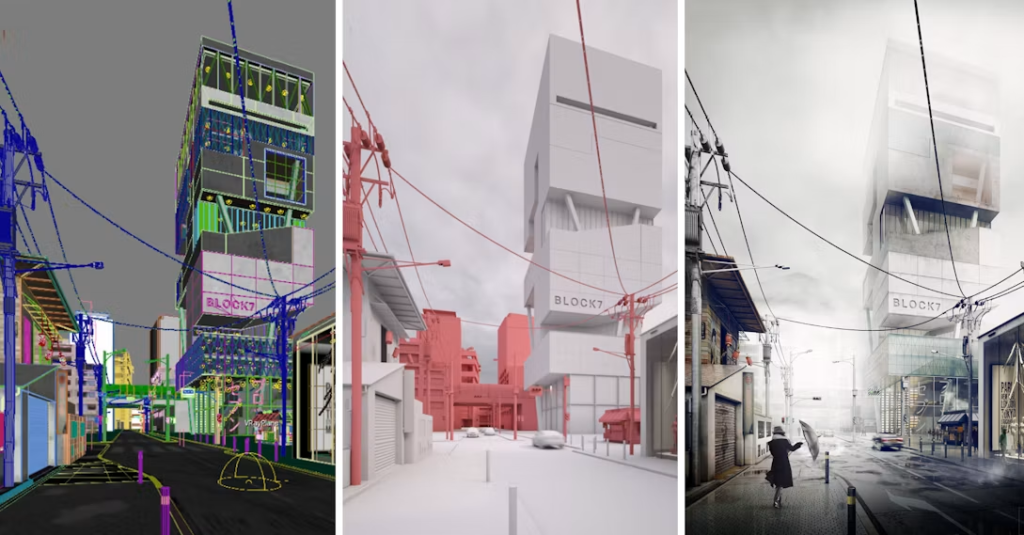
For an Architectural Visualizer Career, process can also add value. A wireframe, clay render or lighting test can show how you think and how much of the final image you produced yourself.
Architectural Visualizer Career Salary in India
Salary in an Architectural Visualizer Career changes according to city, portfolio quality, software proficiency, speed, experience and employer type. There is no single salary figure that applies to every visualizer in India.
Indeed reported an average base salary of ₹22,925 per month for 3D architectural visualisers in India, based on six reported salaries and updated on February 1, 2026. Glassdoor’s September 2026 snapshot showed an average base pay of around ₹30,000 per month and a broad base-pay range of roughly ₹18,000 to ₹70,000 per month. These are market indicators, not guaranteed salary levels.
Current job advertisements show how wide the range can be. One Mumbai listing for a visualizer with two or more years of experience offered pay from ₹30,000 per month, while another senior Mumbai role advertised ₹65,000 to ₹75,000 per month. A separate senior real-estate visualization role listed ₹6 lakh to ₹12 lakh per year.
As an Architectural Visualizer Career develops, earnings may improve when a professional becomes faster, handles animation or real-time work, leads teams, communicates directly with clients or develops a specialist visual style.
Fresher Salary and Early Career Expectations
At the beginning of an Architectural Visualizer Career, employers are likely to judge you heavily on your portfolio and production ability. A fresher with basic software knowledge may start lower than someone who already understands modelling, lighting, post-production and architectural drawings.
A recent remote Ahmedabad role requiring two or more years of experience advertised ₹18,000 to ₹30,000 per month, while a Pune listing showed ₹30,000 to ₹50,000 per month. These examples do not define the entire market, but they show how experience and skill expectations can influence compensation.
The early years of an Architectural Visualizer Career should focus on quality and speed together. A beautiful render that takes too long can be difficult in a commercial workflow, while fast work that lacks accuracy will not build trust.
Where Can an Architectural Visualizer Work?
An Architectural Visualizer Career can develop inside an architecture firm, where the visualizer works closely with architects from concept to presentation. This is useful for understanding how designs evolve and how drawings translate into final spatial decisions.
Dedicated visualization studios offer a more specialised route and usually focus intensely on image quality, rendering, animation and presentation standards. Real estate developers and marketing teams also hire visualizers for brochures, launch imagery, investor decks and digital campaigns.
Current listings show demand for still renders, walkthrough animation, real-time rendering and marketing-focused outputs, giving an Architectural Visualizer Career more directions than still-image production alone.
Is AI Changing the Architectural Visualizer Career?
AI is changing parts of the visualization workflow, but it does not automatically remove the need for an Architectural Visualizer Career. Generative tools can support mood exploration, image enhancement, material ideas, background generation and faster iterations.
Professional visualization still requires control over design accuracy. Final client and marketing images usually need to respect geometry, dimensions, materials and the architect’s intent, which makes architectural understanding extremely important.
Some current senior job listings in India explicitly mention AI-assisted image enhancement, texturing, lighting and workflow automation alongside tools such as 3ds Max, V-Ray and Photoshop. This suggests that the Architectural Visualizer Career is moving towards hybrid workflows.

Real-Time Skills Are Becoming More Valuable
The future of an Architectural Visualizer Career is likely to include more real-time visualization. Clients increasingly expect quick alternatives, walkthroughs and immersive presentations rather than only high-resolution still images.
Tools such as Unreal Engine, Lumion, D5 Render and Twinmotion can make design communication more interactive. For someone building an Architectural Visualizer Career, these skills can become a valuable second layer after modelling, materials, lighting and composition.
Soft Skills Matter More Than Most Beginners Expect
An Architectural Visualizer Career involves constant feedback. Architects may change materials, clients may request a different camera view, and developers may need corrections just before a presentation.
Communication and time management therefore matter almost as much as software. A long-term Architectural Visualizer Career also requires the ability to accept critique, manage revisions and keep the project’s communication goal ahead of personal artistic preference.
How to Build an Architectural Visualizer Career After B.Arch
For a B.Arch graduate, an Architectural Visualizer Career can be a natural extension of skills developed in architecture school. You may already know plans, 3D models and presentation boards, but professional visualization demands more consistency and speed.
The transition becomes easier when you choose a focused software workflow and create portfolio pieces specifically for visualization roles. Reworking selected college projects at a higher rendering standard can demonstrate professional lighting, materials and composition.
An Architectural Visualizer Career after B.Arch can remain connected to design. Some professionals move between architecture and visualization, while others grow into senior visualizers, team leads, art directors or independent studio founders.
Is Architectural Visualization a Good Career in India?
An Architectural Visualizer Career can be a strong choice for someone who enjoys architecture but feels especially drawn to imagery, digital production, storytelling and visual detail. It can suit people who prefer atmosphere and presentation over a career focused mainly on site work or construction coordination.
The field also comes with pressure. An Architectural Visualizer Career can involve tight deadlines, repeated revisions, demanding hardware and continuous software learning, so patience and adaptability are essential.
At the same time, still-renders, animation, real-time rendering, AI-assisted workflows and remote collaboration are creating new directions for an Architectural Visualizer Career in India.

Build an Architectural Visualizer Career That Stands Out
A successful Architectural Visualizer Career begins with more than learning 3D software. It requires architecture, light, materials, photography, composition and communication to work together in one convincing image.
Software will continue to change, but one skill remains valuable: understanding an unbuilt space and creating an image that helps other people understand it too.
For students and young professionals who enjoy combining design with technology, an Architectural Visualizer Career can open opportunities across architecture firms, visualization studios, interior practices, real estate companies, marketing teams and remote international work. Strong fundamentals, a focused portfolio and continuous visual learning are what make that career last.