

Architecture, engineering and construction are becoming increasingly digital, and Building Information Modelling is at the centre of that transformation. For students and young professionals looking beyond conventional drafting or site-based roles, a BIM Career in India is emerging as an interesting combination of design, technology and construction knowledge.
BIM is much more than creating a three-dimensional building model. It connects geometry with information, helping teams understand how a building is designed, coordinated, constructed and eventually managed. This makes a BIM Career in India relevant to architects, civil engineers, structural engineers, MEP professionals, interior designers and construction specialists.
As projects become larger and collaboration becomes increasingly digital, professionals who understand BIM workflows can work across architectural practices, engineering consultancies, contractors, infrastructure companies, BIM outsourcing firms and international AEC teams.
So, what exactly does a BIM professional do, how important is Revit, and what can someone realistically earn? Here is a closer look at the opportunities, skills and career progression that define a BIM Career in India today.
What Exactly Is BIM and Why Does It Matter?
BIM stands for Building Information Modelling. Instead of treating plans, elevations, sections and schedules as disconnected drawings, BIM creates an intelligent digital model where building information is connected.
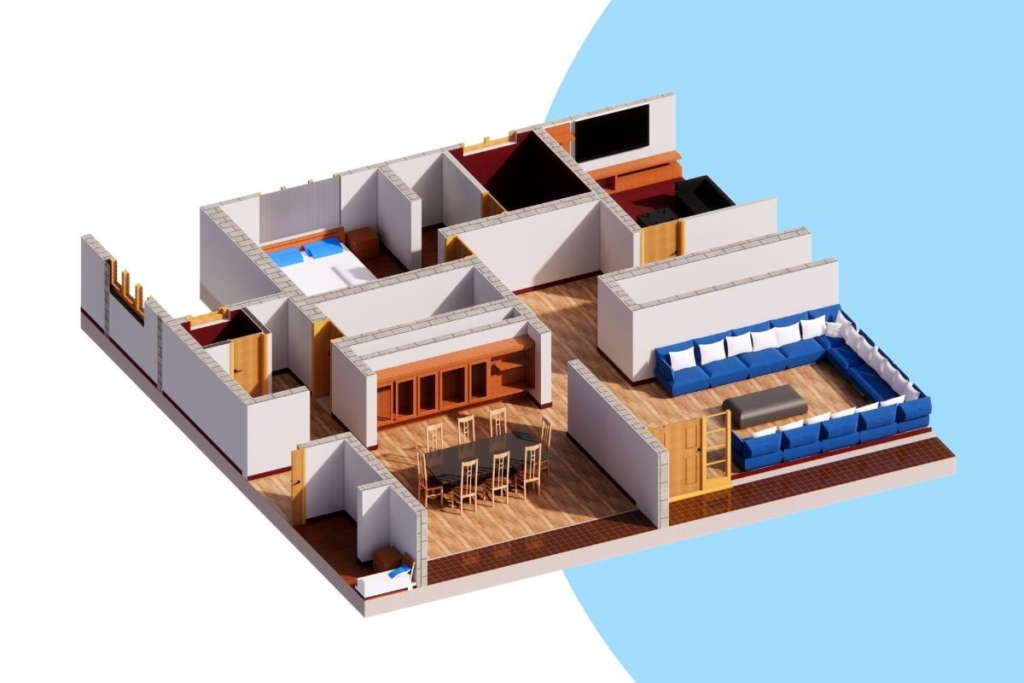
A wall in a BIM model is not simply a collection of lines. It can contain information about its height, thickness, material, construction type, location and relationship with other components.
This information-rich approach is what separates BIM from basic 3D modelling. A strong BIM Career in India therefore requires professionals to understand both software and the way buildings actually come together.
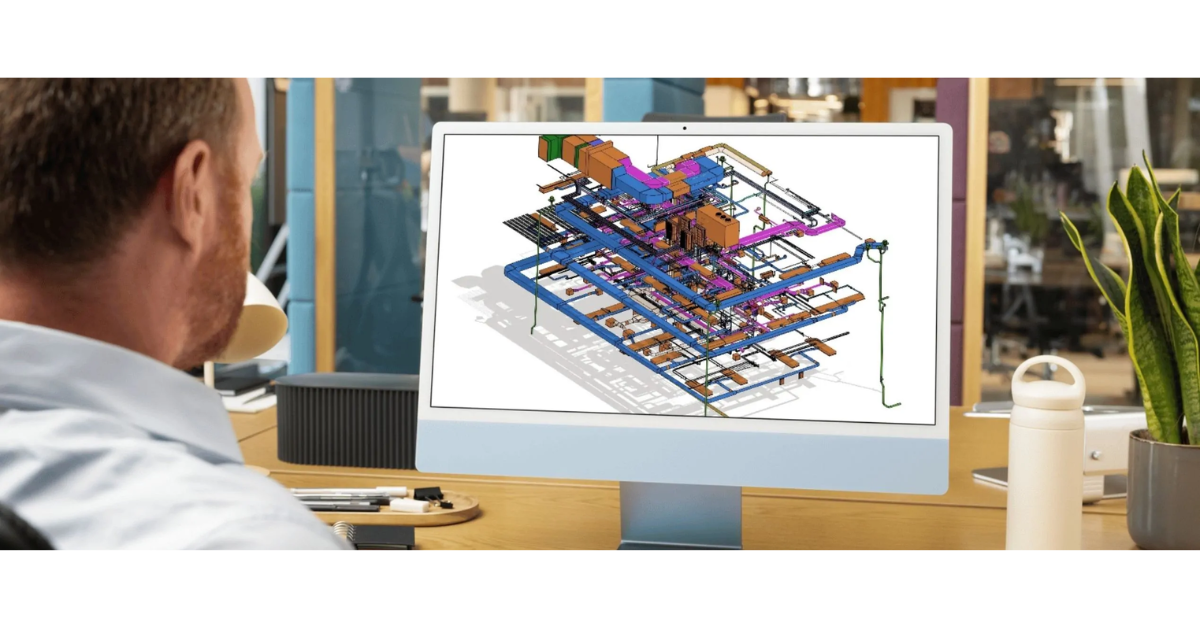
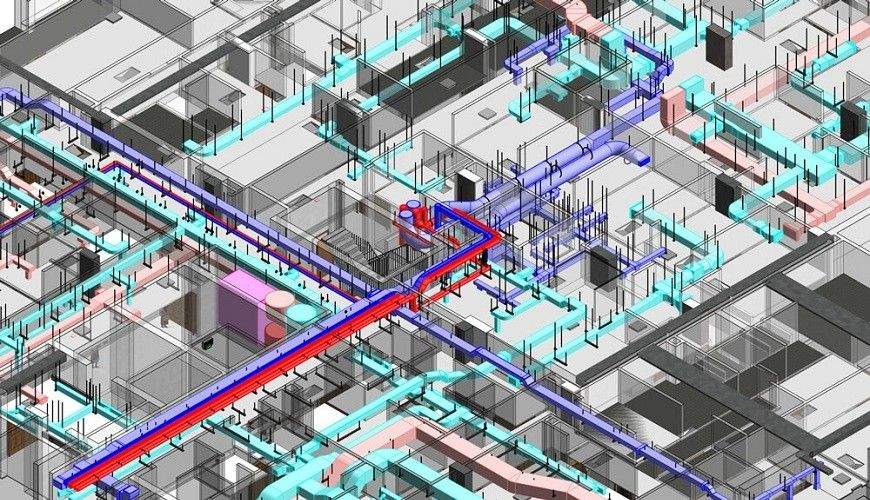
BIM allows architectural, structural and Mechanical, Electrical and Plumbing teams to work around coordinated models. This can help identify clashes, manage changes, generate drawings, organise project data and improve communication between different disciplines.
BIM Is Not Revit and Understanding the Difference Matters
One of the most common misconceptions among beginners is that BIM and Revit mean the same thing. They do not.
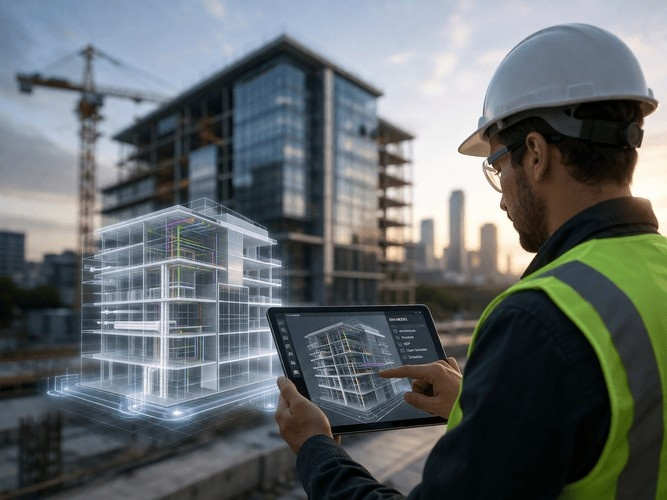
BIM is a process and methodology for managing building information, while Autodesk Revit is one of the software platforms widely used to carry out BIM-based design and documentation.
Someone planning a BIM Career in India should therefore avoid thinking that learning a few Revit commands automatically makes them a BIM professional. Revit is an important tool, but BIM also involves coordination, information management, standards, collaboration and project delivery.
The strongest professionals eventually learn to think beyond the software interface. They understand why a model is being created, how much information it needs, who will use it and how it will support the project.
Also read – Will Architects Be in Demand in 10 Years? The Powerful Truth About Architecture Careers
Why a BIM Career in India Is Attracting Architects and Engineers
The attraction of a BIM Career in India comes partly from the variety of roles available. Professionals no longer have to choose only between conventional architectural design, drafting, engineering design or construction supervision.
BIM creates an area where these disciplines overlap with technology.
Indian BIM teams also work on projects located outside India, including developments in the Middle East, Europe, Australia, the United Kingdom and North America. This can expose professionals to different documentation standards, project scales, construction systems and digital workflows.
For an architecture or engineering graduate who enjoys software but still wants to remain connected with buildings and construction, a BIM Career in India can offer a practical middle ground.
BIM Modeller: Where Many Careers Begin
The BIM Modeller is one of the most common entry points into a BIM Career in India. A BIM Modeller develops architectural, structural or MEP models based on drawings, design information and project requirements.
The role can involve modelling building components, producing drawings, creating schedules, preparing families and maintaining model accuracy.
A good BIM Modeller does not simply recreate CAD drawings in three dimensions. They understand how components relate to one another and how the model will eventually be used for drawings, quantities, coordination or construction information.
This role is particularly useful for fresh graduates because it creates a strong foundation in Revit, documentation and BIM workflows.
BIM Engineer: Where Technical Knowledge Becomes More Important
For civil, structural and MEP professionals, BIM Engineer is another major role within a BIM Career in India.
A Structural BIM Engineer may create and coordinate models for columns, beams, slabs, foundations or steel systems. An MEP BIM Engineer may work with HVAC, electrical, plumbing or fire protection systems.
Current BIM Engineer vacancies in India frequently ask for Revit proficiency along with coordination, clash detection, documentation and multidisciplinary collaboration skills. Many also mention tools such as Navisworks and experience following project BIM standards.
The more technical knowledge a professional brings to the model, the more valuable the BIM role can become.
BIM Coordinator: Moving From Modelling to Problem-Solving
After gaining modelling experience, many professionals begin moving towards coordination. This is an important transition in a BIM Career in India because the focus shifts from creating an individual model to understanding how multiple models work together.
A BIM Coordinator may combine architectural, structural and MEP models and identify conflicts between them.
For example, a large duct may clash with a structural beam, or a plumbing pipe may interfere with an architectural ceiling. The coordinator works with different disciplines to identify these issues before they become expensive problems on site.
Strong communication becomes increasingly important at this level. The professional has to understand not only Revit but also Navisworks, clash detection, coordination meetings, model reviews and BIM execution requirements.
BIM Manager: When the Career Moves Beyond Software
A BIM Career in India can eventually progress towards BIM management.
A BIM Manager may define modelling standards, establish project workflows, manage templates, review model quality, create BIM execution strategies and oversee coordination between different project teams.
At this level, knowing every Revit command is less important than understanding the overall digital delivery process.
BIM Managers may also work with Common Data Environments, information exchange requirements, model naming standards, project permissions and multidisciplinary collaboration systems.
This is where a BIM Career in India begins shifting from production towards leadership and digital project management.
Revit Skills That Actually Matter for a BIM Career in India
Revit remains one of the most important software skills associated with a BIM Career in India, but employers usually look for more than basic modelling ability.
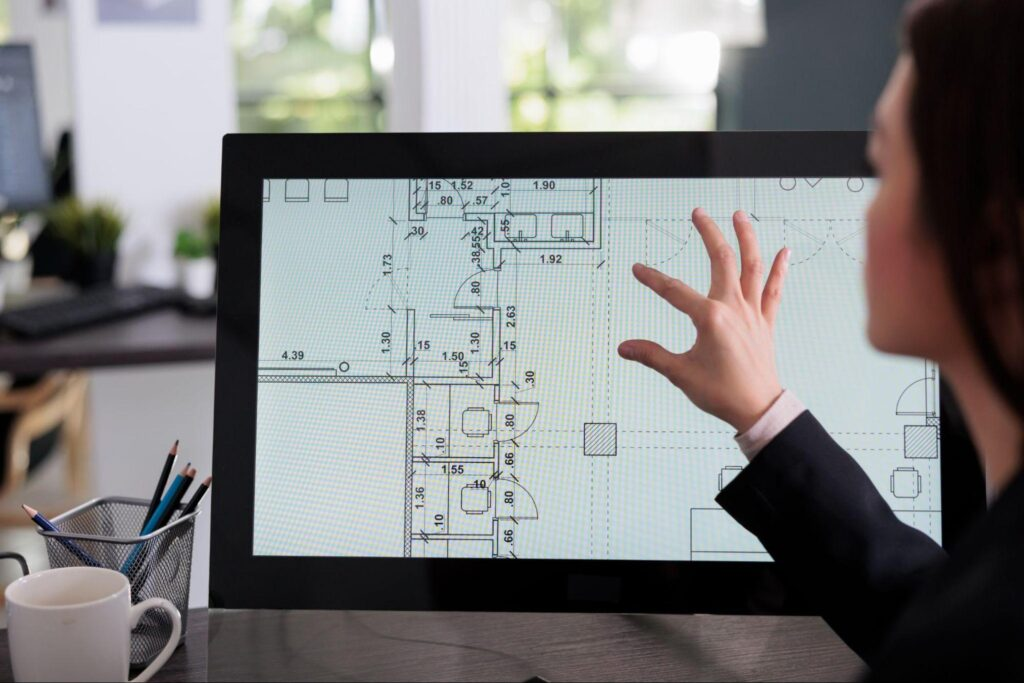
A professional should be comfortable creating architectural or engineering elements accurately while maintaining a well-organised model. Views, sheets, schedules, annotation systems, templates and model organisation are just as important as creating attractive 3D geometry.
Family creation is another valuable skill. Understanding parameters, constraints and reusable Revit families can make a professional far more efficient when working on large projects.
Worksharing is equally important. Real BIM projects rarely involve one person working independently on one file, so professionals need to understand linked models, collaborative workflows and model coordination.
Revit Families Can Separate Beginners From Strong BIM Professionals
Family creation deserves special attention when planning a BIM Career in India.
Revit families are reusable components such as doors, windows, furniture, fixtures, equipment and specialised building elements. Creating well-structured parametric families requires more than simply modelling the shape of an object.
Professionals may need to understand parameters, nested families, visibility controls, materials and different levels of detail.
A BIM professional who can create reliable, lightweight and information-rich families often becomes useful across multiple projects rather than being limited to basic production work.
Navisworks and Clash Detection Add Another Layer to Your BIM Skills
Revit may help you create the model, but multidisciplinary BIM coordination frequently involves software such as Autodesk Navisworks.
Navisworks allows teams to bring models together and review how different systems interact. Clash detection helps identify physical conflicts before construction.
Professionals looking to grow their BIM Career in India should understand how clashes are identified, grouped, assigned, reviewed and eventually resolved.
The real skill is not pressing the clash detection button. It is understanding which clashes matter, why they occurred and how different teams can resolve them without creating new design problems.
Dynamo and BIM Automation Can Make Your Profile Stand Out
As BIM professionals gain experience, repetitive tasks often become obvious. This is where Dynamo can become valuable.
Dynamo is a visual programming environment commonly used with Revit to automate tasks, manipulate data and create rule-based workflows.
Learning automation can strengthen a BIM Career in India because companies increasingly value professionals who can improve productivity instead of simply completing repetitive modelling work manually.
You do not necessarily need to become a software developer. Even basic Dynamo knowledge can help automate naming, parameter management, repetitive placement, data extraction and model checking.
Current Indian BIM vacancies also show employers asking for Dynamo scripting, IFC workflows, Navisworks, point-cloud integration, quantity take-offs and BIM collaboration platforms alongside Revit experience.
Common Data Environments Are Becoming Important BIM Skills
Modern BIM workflows involve more than desktop software. Teams need organised environments where models, drawings, documents and revisions can be shared.
Platforms such as Autodesk Construction Cloud and BIM 360 are commonly associated with these workflows.
Anyone serious about building a BIM Career in India should gradually become comfortable with permissions, file sharing, model versioning, issue tracking and collaborative project environments.
This becomes especially important when Indian BIM teams work with consultants and clients located in different countries and time zones.
Architectural, Structural or MEP BIM: Which Direction Should You Choose?
A BIM Career in India does not have one fixed specialisation.
Architects often move towards Architectural BIM, where they work with walls, façades, doors, interiors, materials, documentation and design development.
Civil and structural engineers may specialise in Structural BIM, working with concrete, reinforcement, steel systems and structural coordination.
Mechanical and electrical engineers can build careers in MEP BIM, where coordination between HVAC, plumbing, electrical and fire systems is particularly important.
Choosing a specialisation that matches your educational background can make it easier to understand what you are modelling rather than treating BIM as purely a software job.
BIM Career in India Salary: What Can You Realistically Expect?
Salary is one of the first questions students ask while considering a BIM Career in India, but there is no single figure that applies to every professional.
Based on current Indian job listings and reported salary data, junior BIM Modeller and BIM Engineer opportunities commonly fall somewhere around ₹3 lakh to ₹6 lakh per year, although lower and higher packages both exist depending on experience and location.
Professionals with specialised skills, strong international project exposure or several years of experience may earn significantly more.
Current BIM Coordinator salary submissions show considerable variation, with experienced professionals reporting packages ranging from roughly ₹7 lakh into the ₹15 lakh-plus range in cities such as Bengaluru, Pune, Gurugram and Greater Noida.
BIM Manager compensation can rise further. Current reported Indian BIM Manager data shows an average around ₹13 lakh annually, with a broad typical range extending from roughly ₹6.3 lakh to almost ₹20 lakh and some experienced professionals reporting higher figures.
These numbers should always be treated as market indicators rather than guaranteed salaries. Your discipline, software depth, company type, international exposure, communication ability, city and project portfolio can all influence what a BIM Career in India pays.
Can Freshers Start a BIM Career in India?
Yes. Architecture, civil engineering, mechanical engineering and electrical engineering graduates can all enter BIM-related roles, although the exact requirements vary between companies.
A fresher interested in a BIM Career in India should first develop strong fundamentals in the discipline they want to work in.
Knowing how a wall, slab, duct, pipe or structural connection behaves in a real building makes modelling much easier to understand.
Revit training can then be combined with small practice projects that show actual documentation and coordination ability rather than only screenshots of a 3D model.
Your BIM Portfolio Matters More Than Showing Pretty Renders
A BIM portfolio should not look exactly like an architecture design portfolio.
Recruiters evaluating someone for a BIM Career in India are likely to be interested in how accurately and intelligently you can build and document a project.
Show plans, sections, schedules, model organisation, families, coordination views and examples of problems you have resolved.
A clean Revit model with clear documentation may communicate BIM ability better than a photorealistic render because BIM is fundamentally about information, coordination and project delivery.
Certifications Can Help, but Skills Still Need to Be Visible
Short-term BIM courses and Revit certifications are widely available, and they can help beginners structure their learning.
However, a certificate alone will not build a successful BIM Career in India.
Employers ultimately need professionals who can work on real models, understand drawings, follow project standards and communicate with other disciplines.
Use courses to build knowledge, but support them with practical projects. A small but technically strong BIM portfolio is usually more convincing than listing numerous software certificates without demonstrating how those tools were used.

Communication Is an Underrated BIM Skill
BIM is highly collaborative, which means communication becomes increasingly important as your responsibilities grow.
A BIM Coordinator may need to explain a clash to architects, engineers and contractors. A BIM Manager may need to communicate modelling requirements to an entire project team.
That makes communication a major part of a long-term BIM Career in India.
Clear emails, meeting notes, issue reports and professional spoken communication can become particularly valuable when working with international consultants and clients.
The Career Roadmap: From Modelling to Digital Leadership
A typical BIM Career in India may begin with roles such as Junior BIM Modeller, Revit Modeller or BIM Engineer.
With experience, a professional can progress towards Senior BIM Modeller, BIM Coordinator or discipline-specific BIM Lead positions.
The next level may include BIM Manager, Digital Delivery Manager, BIM Implementation Specialist or information management roles.
Some professionals also specialise further in computational design, automation, Scan-to-BIM, Digital Twins, Virtual Design and Construction, BIM consulting or BIM implementation.
The important point is that BIM does not have to remain a modelling job throughout your career.
Do You Need Coding for a BIM Career in India?
Coding is not compulsory for beginning a BIM Career in India.
Most entry-level BIM professionals start by building strong Revit and discipline-specific skills. However, automation can become a major advantage later.
Dynamo, Python and Revit API knowledge can open opportunities related to computational BIM, workflow automation and digital delivery.
Professionals who understand both construction and technology can sometimes move into specialised roles where they improve processes for entire teams rather than simply producing models themselves.
Is BIM a Good Career After B.Arch?
For architecture graduates who enjoy technical detailing, documentation and digital workflows, a BIM Career in India can be an alternative to the conventional architectural design route.
The architectural knowledge gained during B.Arch remains highly relevant because BIM professionals still need to understand building systems, drawings, materials and spatial coordination.
However, someone who loves conceptual design above everything else should understand that many BIM roles are technical and coordination-heavy.
The best career choice therefore depends on what part of architecture or construction you genuinely enjoy doing every day.
What Makes Someone Successful in a BIM Career in India?
Software speed alone does not create an excellent BIM professional.
A strong BIM Career in India is usually built through a combination of Revit knowledge, construction understanding, documentation accuracy, coordination ability and consistent learning.
Professionals who can spot problems, understand why they happened and communicate practical solutions are often more valuable than those who simply model faster.
As your career develops, try to move from asking “How do I model this?” to asking “Why are we modelling this information, who needs it and how will it be used?”
That shift in thinking is what turns software knowledge into BIM expertise.
The Future of BIM Career in India Goes Beyond Revit
Revit is important today, but the future of a BIM Career in India is unlikely to be defined by one software platform.
Digital construction is moving towards connected project environments, automation, reality capture, Scan-to-BIM, cloud collaboration, information management and data-driven building operations.
Technologies such as Digital Twins can extend building information beyond design and construction into operation and maintenance.
Professionals who continue learning instead of depending on one software package will therefore be better positioned for long-term growth.
Should You Choose a BIM Career in India?
A BIM Career in India can be a strong option for people who are interested in buildings but also enjoy technology, coordination and problem-solving.
It can provide opportunities across architecture, structural engineering, MEP, infrastructure, construction and international project delivery.
The strongest way to enter the field is not to chase every available BIM software course. Build strong Revit fundamentals, understand your core discipline, learn how real BIM projects are coordinated and gradually add tools such as Navisworks, Dynamo and cloud collaboration platforms.
Most importantly, treat BIM as a process rather than a software package.
A successful BIM Career in India is ultimately built by professionals who can connect design information, technical knowledge and people. As construction becomes increasingly digital, that combination can make BIM one of the most versatile career directions within the architecture, engineering and construction industry.